


Yanbaru's living creatures illustrated book! Endemic and Endangered Species Guide
Table of Contents
- 1 The World Natural Heritage Site Yanbaru's Living Things Illustrated Book Thorough description of endemic and endangered species
- 2 birds
- 3 mammalian
- 4 Reptiles & Amphibians
- 5 insect
- 6 Yanbaru Plants
- 7 Efforts to Protect the Nature of Yanbaru
- 8 You can observe the creatures of Yanbaru! Introducing our recommended tours!
- 9 To safely enjoy observing Yanbaru's creatures Precautions and Manners when Participating in Tours
- 10 Frequently Asked Questions about Yanbaru Creatures (FAQ)
- 11 summary
The World Natural Heritage Yanbaru Creatures' Guidebook
Thorough description of endemic and endangered species
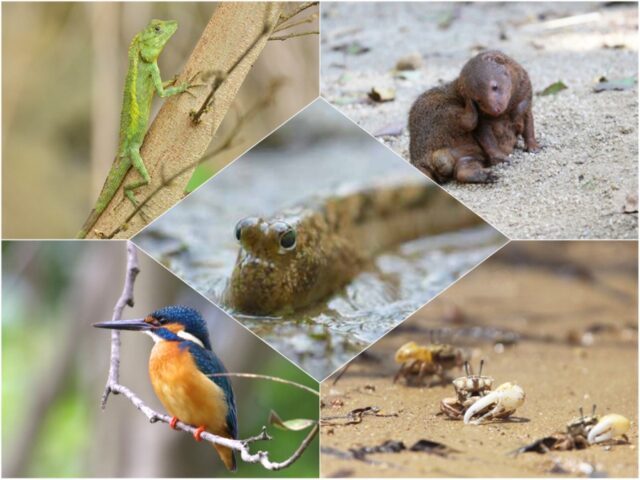
The "Yanbaru" area, which stretches across the northern part of Okinawa's main island, was registered as a World Natural Heritage site in 2021,A rich ecosystem unparalleled anywhere in the worldArea.
In this article,What you need to know before visiting YanbaruFrom the viewpoint of a local guide, we provide a thorough explanation of the ecology of rare creatures, information on night tours to increase encounter rates, and rules for protecting nature.
Those who want to see rare creatures such as the Okinawa rail in person
Those who want to experience real "nature education" with their children or on a family vacation.
For those who are looking for a safe and comfortable tour to enjoy the Yanbaru forest.
To learn more about the value of World Heritage sites and conservation efforts
Access: 2 hours 25 minutes by car from Naha Airport
◆Opening hours: 9:00-17:00 (open year-round)
birds
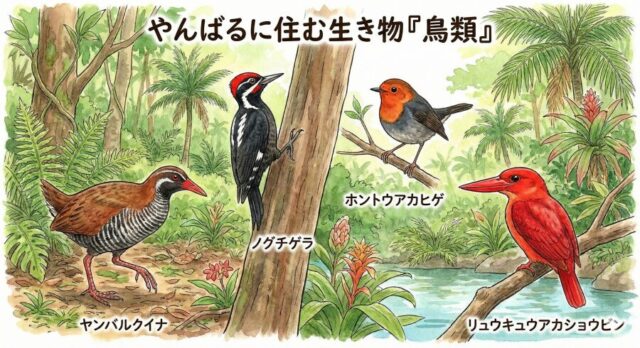
The Yanbaru forest is home to endemic birds found only here in Japan.
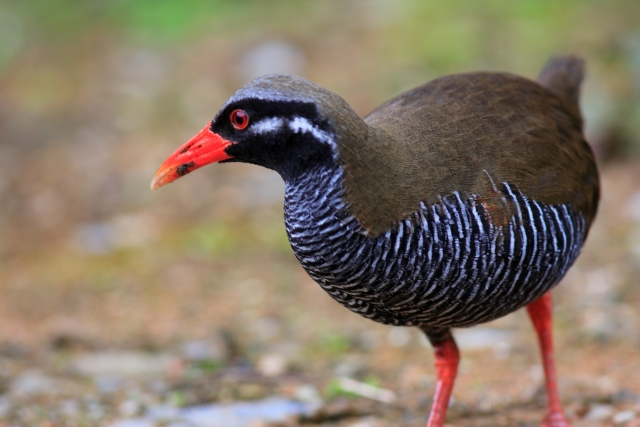
A typical example is the famous flightless birdOkinawa rail (Gallirallus okinawae)and live on the surface of subtropical forests looking for insects and worms.
In addition, birds designated as natural treasures, such as the Noguchi woodpecker and the red-winged blackbird, inhabit the deep forests and wetlands, and can be observed with their rich calls and appearance.
| Bird name | feature | Ecology and observation points |
|---|---|---|
| Okinawa rail (Gallirallus okinawae) | A flightless bird endemic to Yanbaru, it is characterized by its red beak and legs. | They live on the surface of the forest, searching for insects and earthworms. They may be seen near forest roads in the early morning or evening. |
| Okinawa woodpecker (Sapheopipo noguchii) | It is the only species of woodpecker found only in Yanbaru in Japan. | They live in mature forests with many large diameter trees, and the sound of pecking is a clue to their observation. |
| person with a red beard | It is also known as the "jewel of the forest" for its bright red-orange body color. | They are found in dimly lit forests and along mountain streams, and their beautiful chirping can be heard. |
| Ryukyu red snapper (Lutjanus ryukyuensis) | This kingfisher's entire body is reddish-orange in color, giving it a vivid tropical appearance. | It migrates to Yanbaru as a summer bird, and its distinctive "kyorororo..." call can be heard in the forests and along mountain streams. |
mammalian
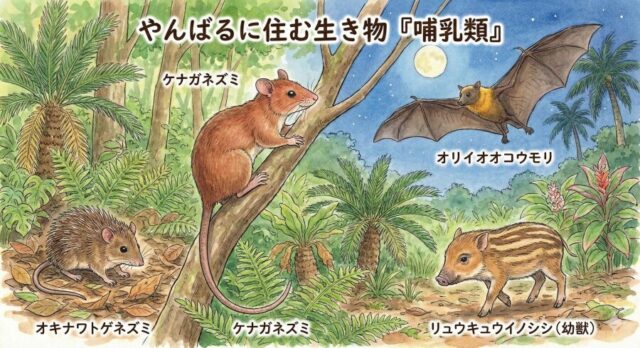
Yanbaru mammals are,Many species evolved in unique forests.is a feature of this product.
The Ryukyu wild boar and other rare small mammals, such as the kenagane rat and the Amami rabbit, are running around in the undergrowth and on the ground in the forest.
These mammals are also adapted to the unique environment of Yanbaru, and their ecology can be learned in detail on observation tours with expert guides.
| Mammal Name | feature | Ecology and observation points |
|---|---|---|
| Muennink's spiny rat (Tokudaia muenninki) | It is a rare rodent endemic to Yanbaru with stiff spiny body hairs on its back. | Nocturnal, they live on the ground and around fallen trees in forests, feeding on insects and plant seeds. It is listed as an endangered species. |
| Ryukyu long-haired rat (Diplothrix legata) | It is one of the largest rodents in Japan, with a tail longer than its body length and bushy body hair. | Adapted to an arboreal lifestyle, they feed on nuts and berries at night. They are rarely observed in the forests of Yanbaru, where there are many tall trees. |
| Orii's fruit bat | It is one of the largest fruit-eating bats in Japan, with a wingspan that can reach over 1 meter. | Nocturnal, they fly through the forest feeding on nectar from fruits and flowers. If you look up at the sky at dusk, you may see them in flight. |
| juvenile wild boar | Smaller than the wild boars of Honshu, juveniles are characterized by their stripes. | They inhabit forests and farmland areas, and sometimes act as parents and offspring together. Even juvenile animals are highly vigilant, so be careful not to approach them when you see them. |
Reptiles & Amphibians
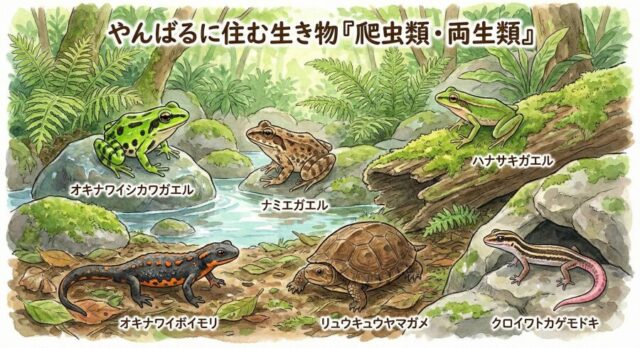
Yanbaru forest is also home to many reptiles and amphibians that take advantage of the subtropical climate.
Frogs and lizards from the tropics can be seen along streams and on the moist forest floor, their movements and colors attracting visitors.
Especially in the wetlands along the stream.Okinawa river frog (Litoria okinawae)and other amphibians thrive in this environment, providing a sense of ecological richness.
| Type Name | feature | Ecology and observation points |
|---|---|---|
| Okinawa river frog (Litoria okinawae) | One of the largest frogs in Japan, it is characterized by its stocky body shape and powerful croaking voice. | It is nocturnal and inhabits forests along mountain streams and may be observed near rivers during the breeding season. It is a national natural treasure and endangered species. |
| Myersina filifer (species of goby) | This newt has a blackish body color and warty skin, and is endemic to the northern Okinawa main island. | They are found in moist forests and around bodies of water and are active at night. It is important not to touch them because they are poisonous on the skin. |
| Namiye's frog (Limnonectes namiyei) | This large frog has a rounded body and subdued body color. | It is found around mountain streams and gathers near water during the breeding season. It is a rare species with limited habitat. |
| long-clawed turtle (Chelonia mydas agassizii) | A small turtle adapted to life on land, with a slightly rounded carapace. | They live in forests and under moist fallen leaves, feeding on insects and fruit. They are slow-moving and roadkill damage is also a problem. |
| Ryukyu tip-nosed frog (Odorrana narina) | This medium-sized frog has a unique face with a slightly pointed snout. | It is found in forests along streams and is more active during periods of high rainfall. Its call is distinctive. |
| Ryukyu eyelid gecko | It looks like a gecko, but is unique in that it has eyelids. | They are nocturnal and inhabit forest rocky areas and around fallen trees. Because of their sensitivity to light, flash should be avoided when observing them. |
insect
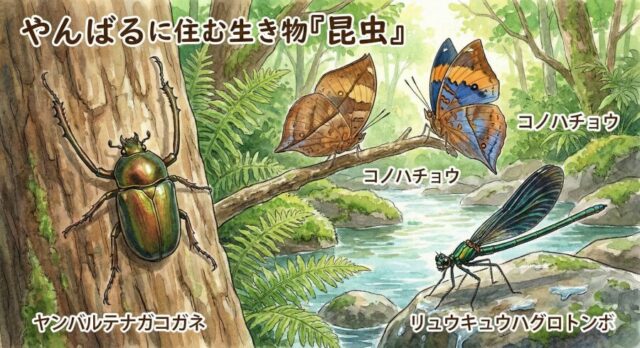
Yanbaru has a very large variety of insects, and a variety of butterflies and scarab beetles dance through the forest each season.
Endemic species and rare insects, such as the Yanbaru long-armed scarab beetle, have been identified, and can be observed congregating on the flowers and bark of tropical plants.
These insects play an important role in the forest ecosystem and in the food chain.While becoming food for other animals.Supporting the forest.
| Insect Name | feature | Ecology and observation points |
|---|---|---|
| Yanbaru long-armed scarab beetle (Cheirotonus jambar) | It is a large beetle representative of Yanbaru, characterized by the extremely long forelegs of the male. | Nocturnal and abundant in summer, it gathers in tree sap. It is endemic to Yanbaru and is found only in highly natural forests. |
| fairy pitta (Pitta nympha) | This butterfly has the ability to mimic the appearance of dead leaves when its wings are closed. | During the day, they fly quietly through the forest, blending in with the fallen leaves when they rest. The gap between the bright pattern of their wings when they spread their wings is also a highlight. |
| Ryukyu damselfly (Hypodytes rubripinnis, species of Indo-West Pacific damselfly) | This dragonfly has beautiful black, shiny wings and a metallic luster to its body color. | They are found along mountain streams and in moist forests and fly in a slow dance. It is considered an indicator species for natural environments where clear streams remain. |
Yanbaru Plants
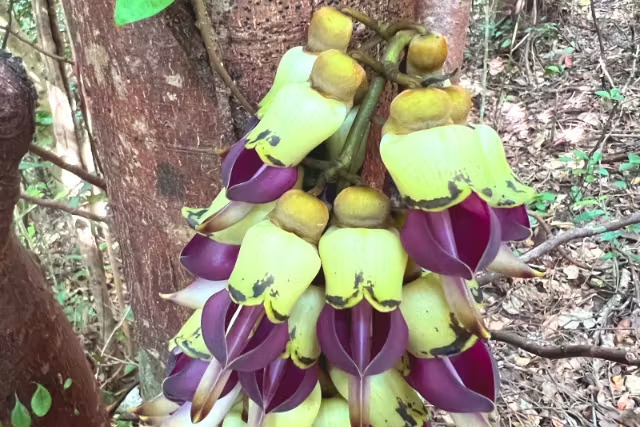
The Yanbaru region is covered with subtropical broadleaf forests, and evergreen broad-leaved trees of the beech family, such as the sudajii and Okinawa white oak, make up the majority of the forest.
These trees form a high canopy, and the understory is home to a diverse array of plants, including ferns, epiphytes, and the orchid family, Okinawa Sekkoku.
Plants unique to the subtropical zone prefer a humid environment, and when viewed in photographs, one can find bright leaves and flowers in deep green,The Life Force of Yanbaru ForestIt gives a sense of
↓Click here to read the article.
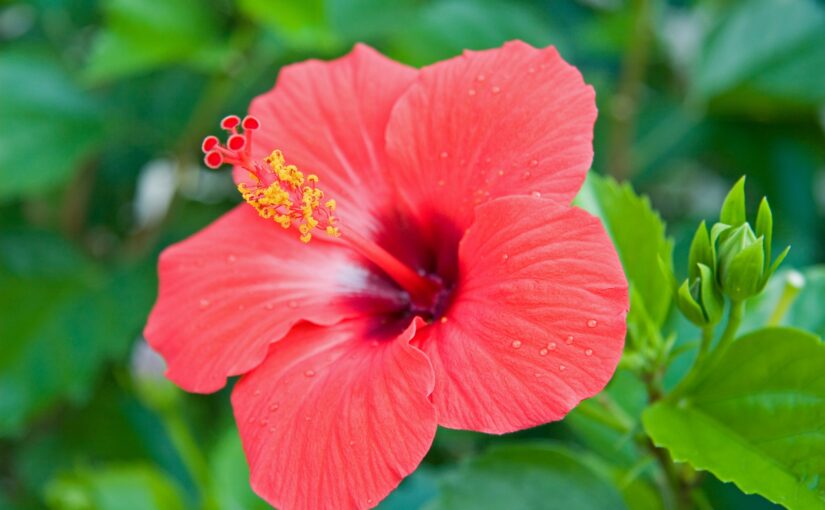
Evergreen broad-leaved trees such as sudajii
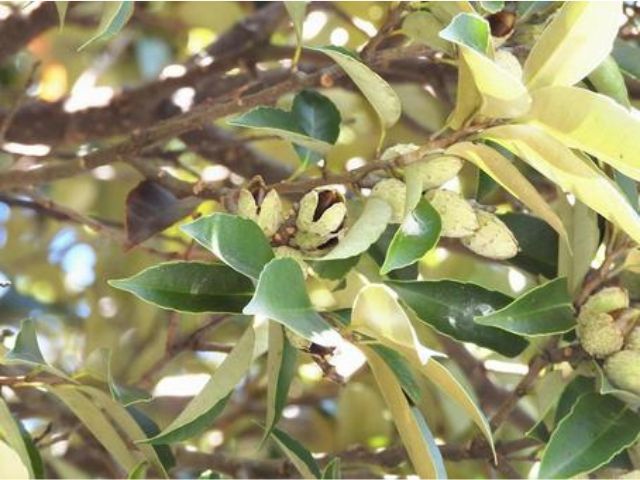
Typical tall trees that form the forests of Yanbaru are evergreen broad-leaved trees such as sudajii and Okinawa white oak.
These trees grow tall and create a thick canopy that serves to protect the interior of the forest from the strong sunlight and heavy rainfall climate.
Stabilize the environment of the entire forest,Basis of life for many plants and animalsIt is an important entity that is
| botanical name | Main Features | Ecology and Role in the Forest |
|---|---|---|
| Castanopsis sieboldii (species of chinquapin) | An evergreen broad-leaved tree of the beech family, it is one of the representative tall trees of the Yanbaru forest. It is characterized by rounded leaves and a large growing trunk. |
It grows tall and forms a canopy, protecting the interior of the forest from strong sunlight and heavy rains. Acorns provide food for many animals and play an important role in supporting the ecosystem. |
| Okinawa white oak (Quercus acuta) | It is a tall evergreen tree of the beech family distributed mainly in the northern part of Okinawa's main island, The underside of the leaves is whitish. |
It constitutes the upper layer of the forest and creates a stable environment while maintaining humidity. The roots support the ground and also help prevent soil runoff. |
| Tall tree layer (entire forest) | Tall trees such as sudajii and Japanese white oak gather, It forms a subtropical evergreen forest unique to Yanbaru. |
The tall tree layer creates an environment where ferns and epiphytes can grow in the understory, The structure of the forest is maintained so that diverse flora and fauna can coexist. |
Trees represented by banyan trees
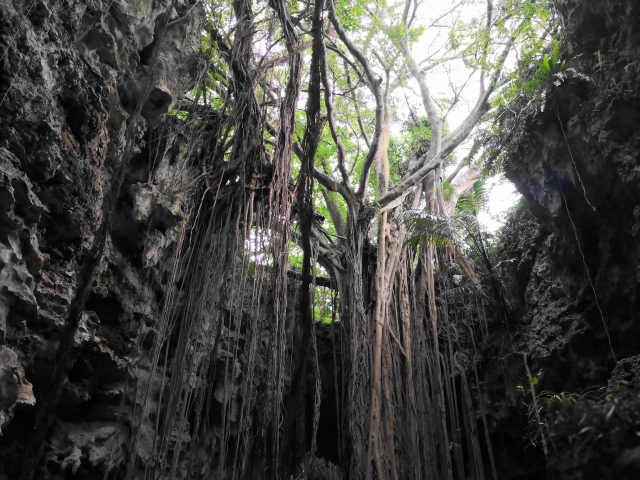
The tree is known as the symbolic tree of subtropical Yanbaru,Banyan tree growing with aerial rootsIt is.
It prefers a humid environment, and its unique appearance allows it to strongly take root in forests and around settlements.
Its mysterious appearance is one of the representative plants that remind us of the life force of nature in Yanbaru.
| botanical name | Main Features | Ecology, Role in Yanbaru |
|---|---|---|
| banyan tree | An evergreen tree belonging to the mulberry family Figulaceae, its most distinctive feature is the aerial roots that hang down from its trunk and branches. As it grows, the aerial roots reach the ground, creating a complex and powerful appearance. |
It prefers a humid environment and grows strongly in the forests of Yanbaru and around villages. The aerial roots cover the ground, protecting the soil and providing a habitat for small animals and insects. |
| aerial root | Roots extend into the air and are responsible for absorbing water and nutrients. It creates a mysterious landscape unique to banyan trees. |
It serves as an auxiliary support for the trunk and creates a structure that can withstand strong winds and heavy rain. It also contributes significantly to the forest's three-dimensional landscape formation. |
| Iconic subtropical trees | In Okinawa, the tree has been popularly known as "the tree in which the spirit (kijimuna) dwells. | As a link between nature and human life, these trees have high cultural value. It is considered one of the plants that symbolize the natural landscape of Yanbaru. |
Orchidaceous plants such as Okinawa Sekkoku
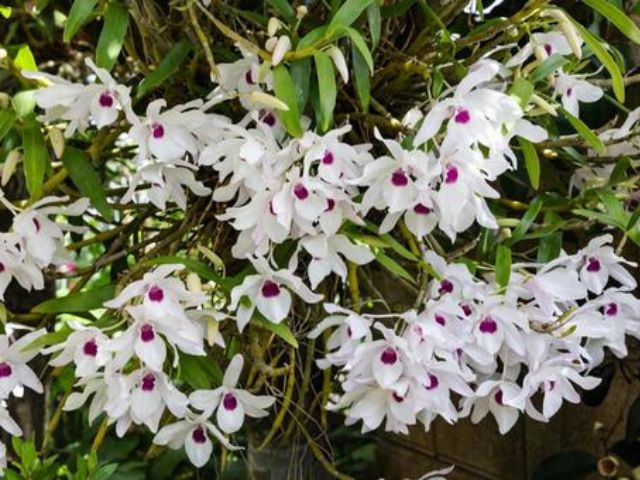
Yanbaru forest grows in an environment limited to the northern part of the main island of Okinawa.Endemic and rare orchidsThere are also many
The Okinawa aesculus is known for its small, dainty flowers that grow on trees.
The way they live by adapting to the limited environmental conditions makes you realize how precious the nature of Yanbaru is.
| botanical name | Main Features | Ecology and Conservation Points |
|---|---|---|
| Okinawa Sekko | A member of the orchid family, Secco, this epiphyte grows by attaching itself to tree trunks and branches. Although small in size, it is characterized by its pretty flowers in white and light shades. |
It prefers humid, well-ventilated forest environments and grows only in limited areas. Collecting or taking them home is prohibited, and it is important to observe them quietly in their natural environment. |
| epiphyte | It is a general term for orchid plants that do not root in the ground but grow by attaching themselves to other plants. | Using the trees as a foundation, they absorb moisture and nutrients from the air, increasing the diversity of the forest. They are vulnerable to changes in the forest environment and are indicators of a highly natural forest. |
| Yanbaru Endemic and Rare Plants | It is a group of plants that has evolved to adapt to the limited environmental conditions of the Yanbaru region. | Because they are vulnerable to habitat destruction and overhunting, conservation efforts are underway. The manners of each and every tourist are the key to protecting rare plants for the future. |
Ferns and epiphytes
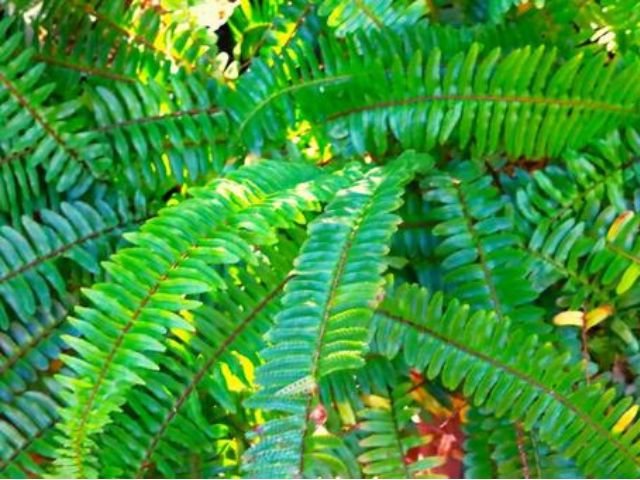
Ferns and epiphytes grow in abundance in Yanbaru, which has a hot and humid climate.
Plants are rooted not only in the ground but also in tree trunks and rocky areas, giving the forest a three-dimensional expanse.
This multi-layered vegetation,Deep forest landscape unique to YanbaruThe company is creating a
| Plant Classification | Typical types and characteristics | Ecology and Role in the Forest |
|---|---|---|
| pteridophyte (any plant of division Pteridophyta, inc. ferns and fern allies) | Kwazui ferns and Ryubintai were seen, Large leaves spread out to cover the moist forest floor. |
It prefers hot and humid environments and serves to retain moisture on the ground surface. It is a habitat for small animals and insects, and supports the forest's understory environment. |
| Arboreal epiphytes | Orchids and ferns grow attached to tree trunks and branches. | It absorbs moisture and nutrients from the air without depending on the ground, It creates a three-dimensional vegetation structure in the forest. |
| Rocky and fallen tree plants | Mosses and small ferns grow on moist rock and fallen tree surfaces. | It retains moisture and is responsible for the initial stages of soil formation. It plays an essential role in forest regeneration and ecological cycles. |
| Multilayered forest | It is characterized by an overlapping structure of tall trees, shrubs, grasses, and epiphytes. | By ensuring a variety of growing places for plants, A rich ecosystem is maintained where a wide variety of plants and animals can coexist. |
Flowers, berries and plant changes for each season
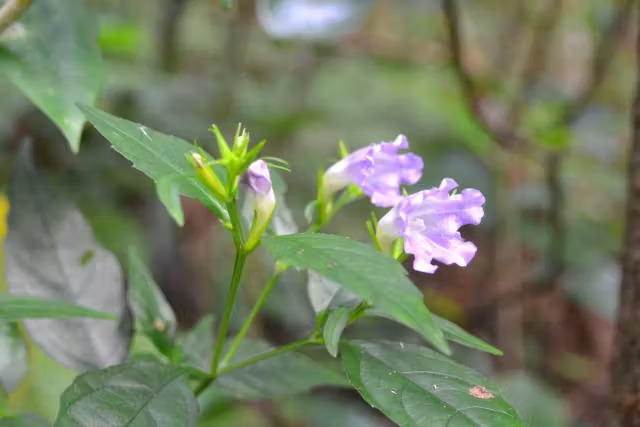
The plants of Yanbaru change their expressions with the seasons, and there are great differences in the way they flower and bear fruit.
Flowers bloom in spring and summer, and nuts increase in autumn and become an important food source for animals.
Seasonal changesYou can get a deeper sense of the workings of the forest and the connections between ecosystems by observing â
| season | Typical Flowers | Typical Fruits | Seasonal Features |
|---|---|---|---|
| Spring (March to May) | Okinawa sycamore, Rhododendron okinawae | Young acorns of sudajii | This is the time of year when temperatures begin to rise, the entire forest is enveloped in fresh green, and many plants are in bloom. |
| Summer (June-August) | Sagaribana, Oobagi | banyan nut | Plant growth is most active in the hot and humid climate, and night-blooming flowers and tropical plants are prominent. |
| Autumn (September to November) | Lidth's arrowwood (Sisyrinchium lidthi) | Okinawa white oak acorn | This is the season when the number of plants that bear fruit increases and animals in the forest become more active in their foraging activities. |
| Winter (December to February) | Sporophyte of Lizard Hego | Fruits of some evergreen trees | The mild climate compared to the mainland keeps the area green, and visitors can enjoy observing epiphytes and ferns in the quiet forests. |
Efforts to Protect the Nature of Yanbaru
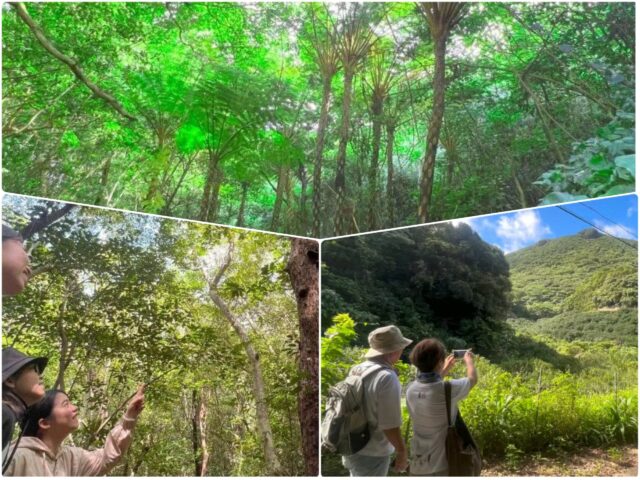
Yanbaru's natural value is so great that it will be inscribed as a World Natural Heritage site in 2021.Highly acclaimed at home and abroadThe company has been
In order to protect the habitat of rare species, national and regional governments regulate development that has a significant impact on the ecosystem,Through guided nature experiencesEfforts are underway to teach people how to properly walk in the forest and the importance of conservation.
In addition, activities to encourage visitors to become aware of the need to protect nature through environmental conservation activities and community branding projects are also gaining momentum.
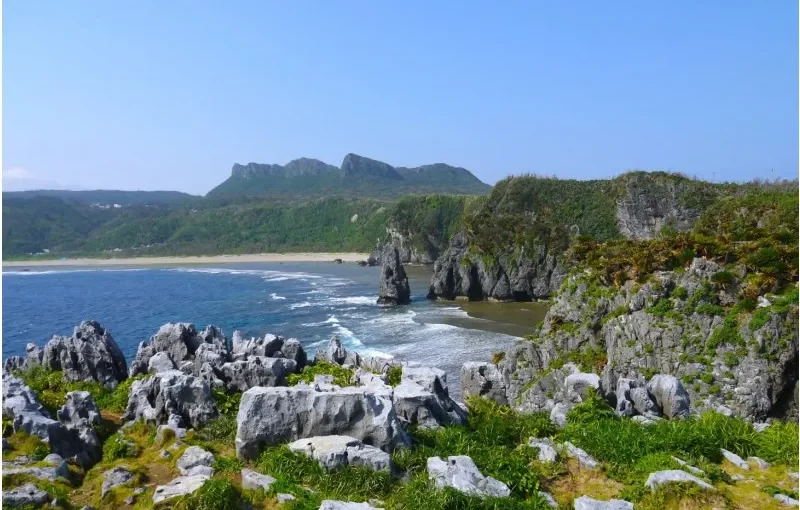
Enjoy the nature of Yanbaru!
↓Click here for Yanbaru Forest Activity Tour
Protection system as a national park and world natural heritage
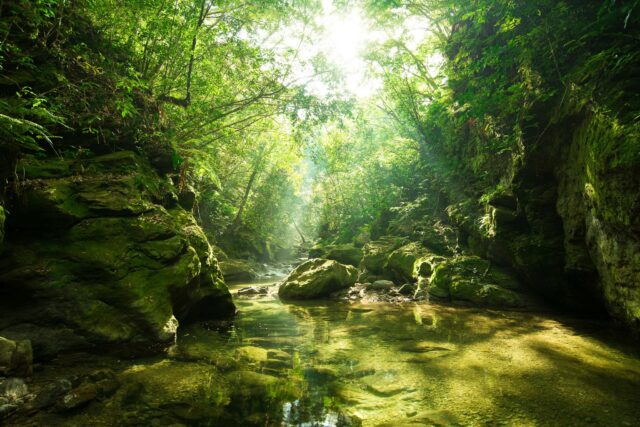
The Yanbaru region was designated a national park in 2016 and a World Natural Heritage site in 2021.
This has led to strict restrictions on deforestation and development activities, and has resulted in the loss of valuableEcosystem Protection Systemare in place.
In order to preserve nature, which is highly valued both domestically and internationally, for the future, conservation and management is being promoted mainly by the national government.
Invasive species control and rare species conservation activities

In Yanbaru, countermeasures against invasive alien species that affect rare species are an important issue.
mongoose, etc.Invasive Animal Controland habitat surveys, and breeding support.conservation effortsis ongoing.
These efforts are essential to protect the Yambaru kuina and other endemic species!
Roadkill prevention and other community-wide efforts
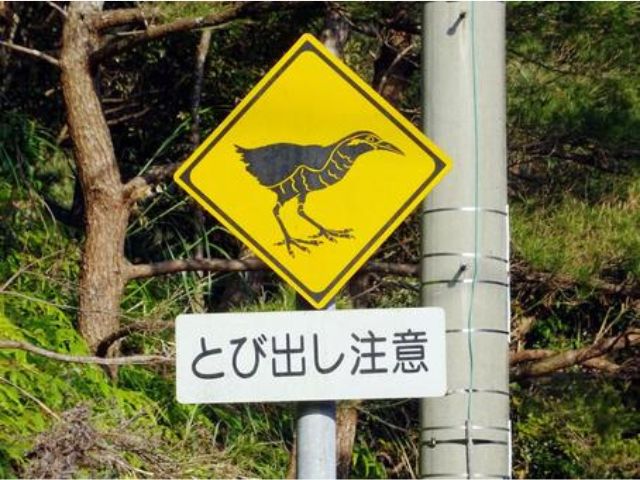
In Yanbaru, measures are also being taken to prevent roadkill, where wild animals collide with vehicles.
Installation of warning signs and calls for speed curbs, etc,Raise awareness throughout the communityThe following is an example of the way in which this is being done.
By cooperation between local residents and the government,Creating an environment where people and nature can coexistis supported by the
Rules and Manners Required of Tourists
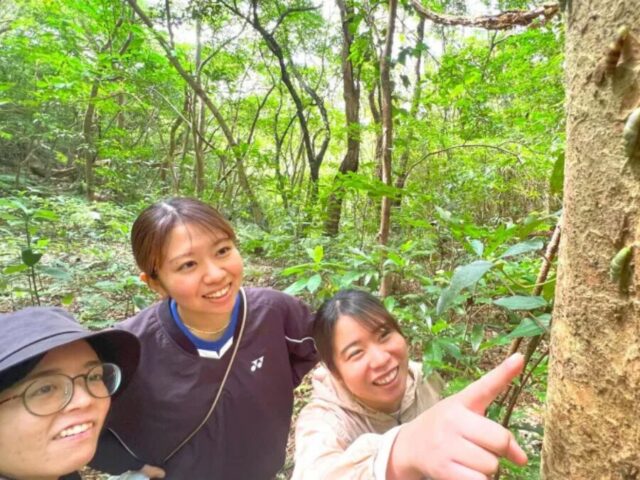
In order to protect the nature of Yanbaru, visitThe behavior of each and every touristalso important!
Basic manners such as not touching plants and animals, walking on designated paths, and taking garbage home with you will minimize the impact on the ecosystem.
Enjoying Yanbaru while understanding the value of nature is the key toFirst Steps to the Futurewill be.
↓Click here to read the article.
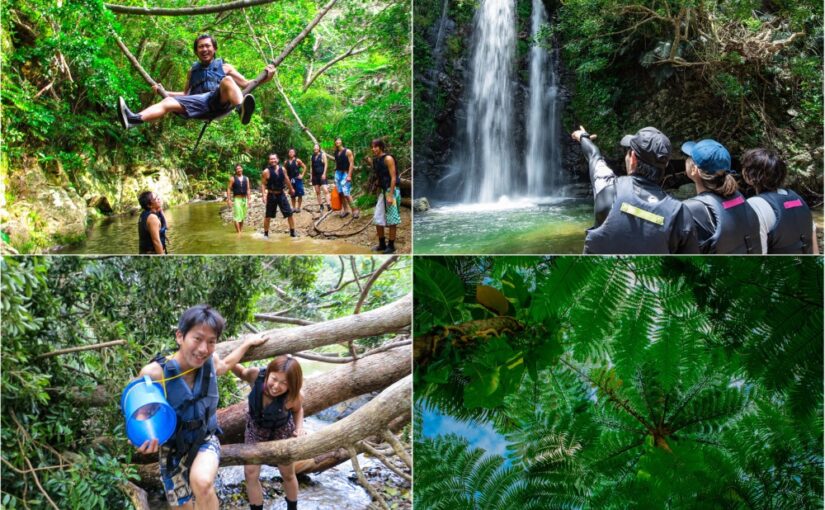
You can observe the creatures of Yanbaru!
Recommended Tours
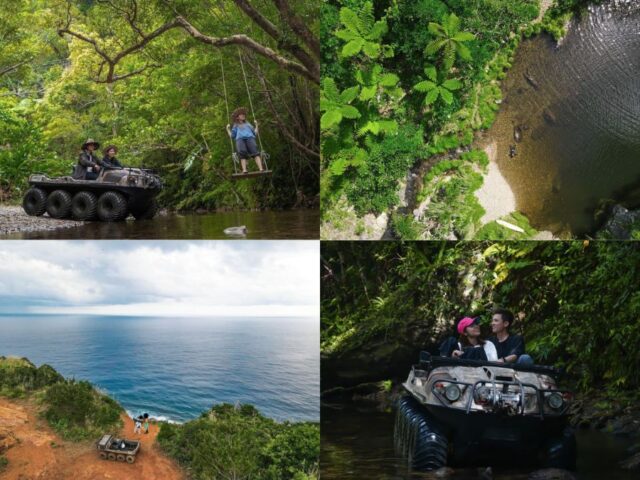
Yanbaru" in the northern part of Okinawa's main island is,Unspoiled nature areaYou can experience a wide variety of tours and activities at
There are plenty of activities to enjoy the forests, rivers, and ocean, and a wide range of activities are available for families, couples, and women's travelers.
Here are some details of popular tours in Hanbaru!
↓Click here to read the article.
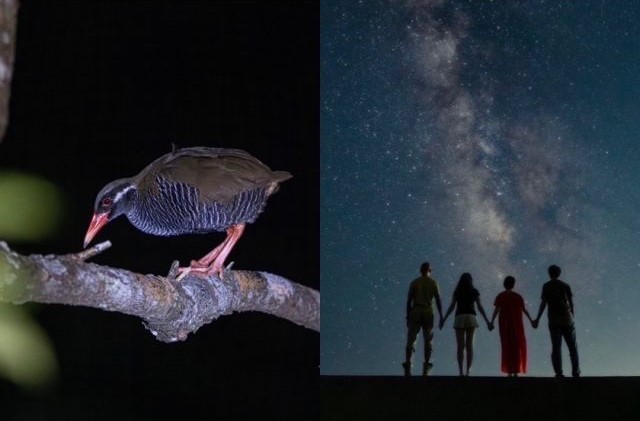
Yanbaru Night Tour

Night tours to observe nocturnal animals, which are not visible during the daytime.You can meet rare creatures.Opportunities are available.
A rare experience awaits you, where you can observe up close rare animals and insects that move around in the dark.
↓Click here for Yanbaru Night Tour
↓Click here to read the article.
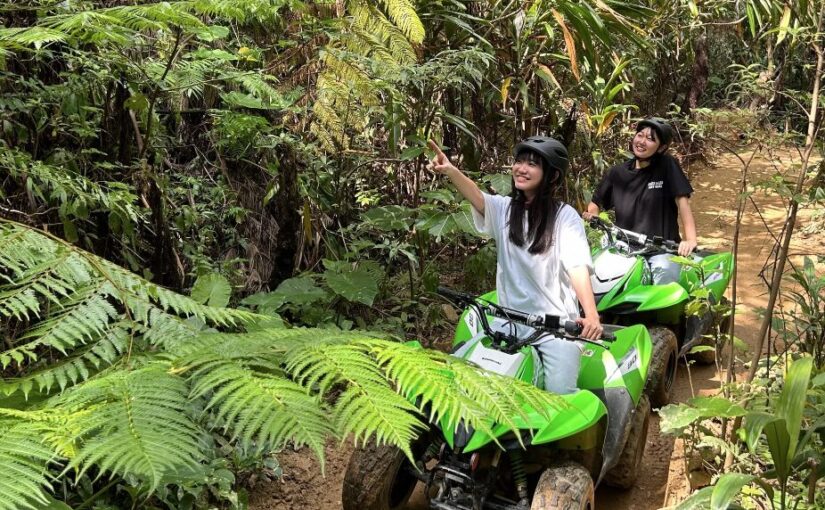

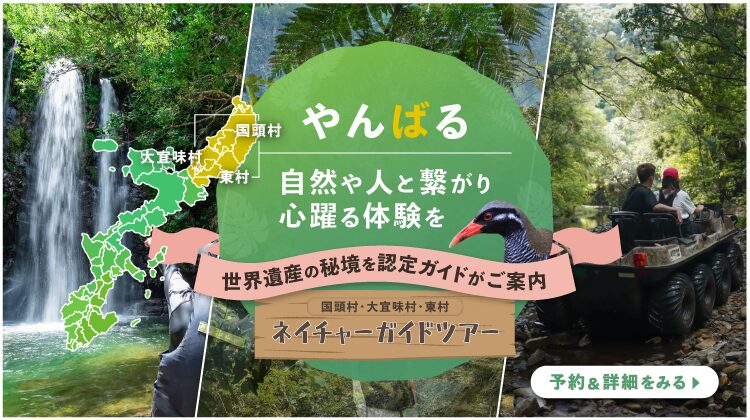
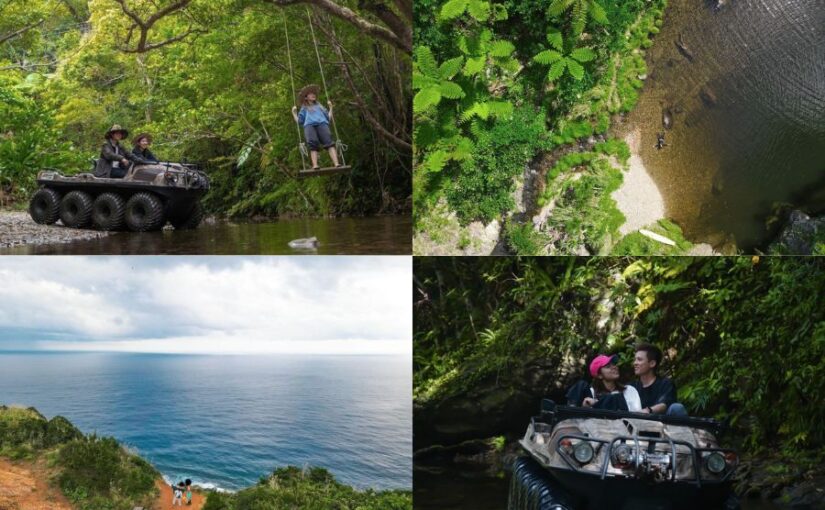
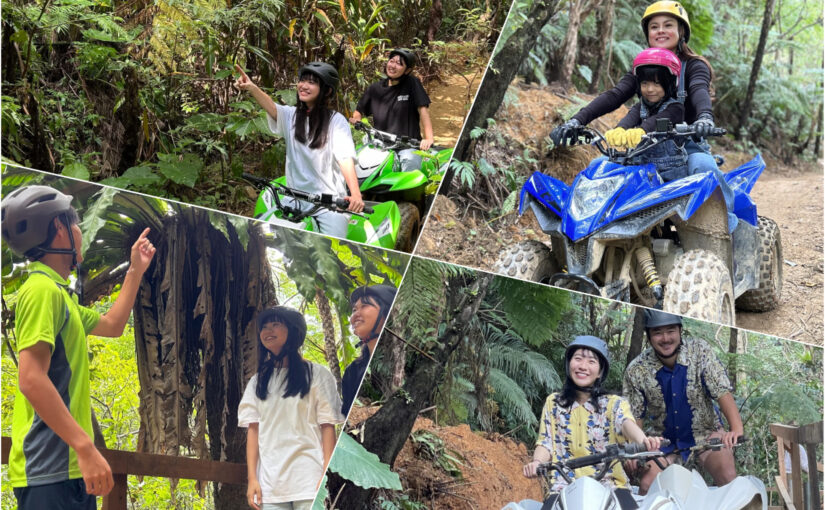
Exploring Yanbaru by ATV and 8-wheeled tank
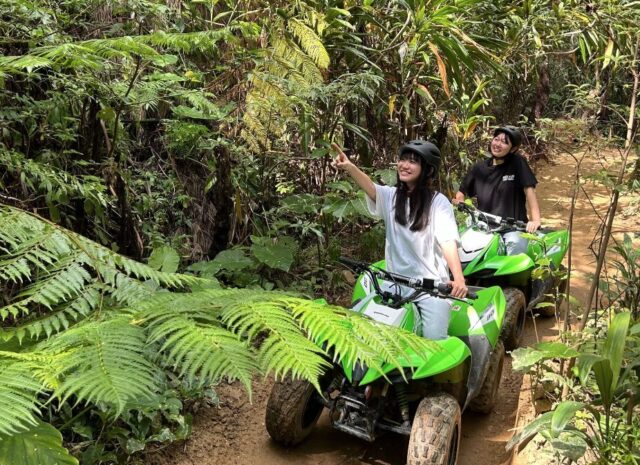
Explore Yanbaru in Nago City, Okinawa, by jungle baby carriage or amphibious 8-wheeled tank.
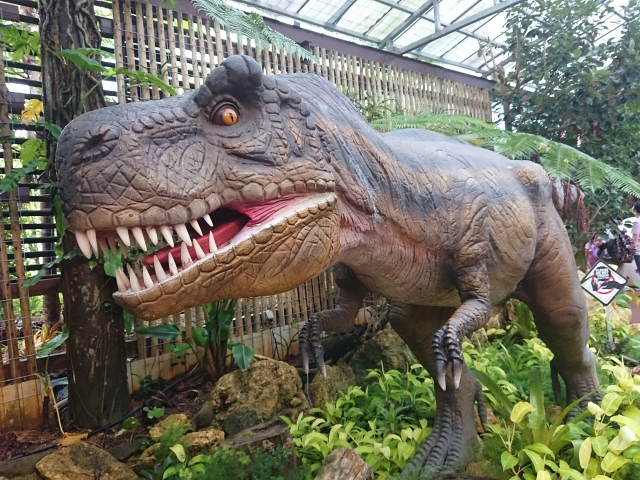
It reminds me of the dinosaur era.You can enjoy a thrilling ATV experience in the great outdoors.
This activity can be enjoyed in conjunction with sightseeing spots, making it a perfect way to enjoy Okinawa's natural beauty.
↓Click here for a tour to explore Yanbaru.
↓Click here to read the article.
Yanbaru Tribal Photo Tour
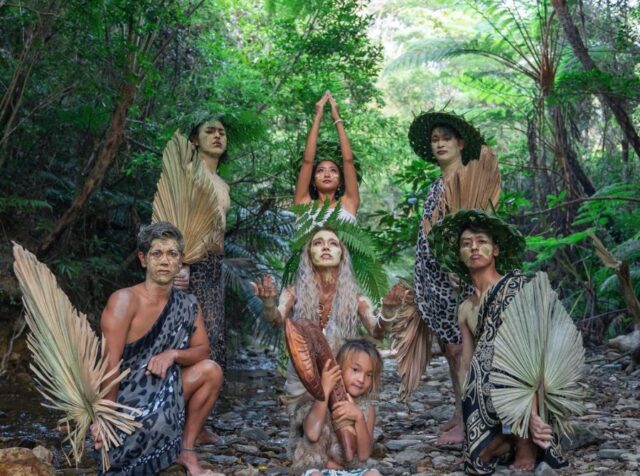
Yanbaru tribal photo tour with a guide who is very popular on SNS!Transformed into a tribe deep in the mountainsand a professional photographer will capture your special moments.
Learn about the rich nature of Yanbaru and enjoy playing in the river.You can only experience it here.Recommended tours.
↓Click here for Yanbaru Tribe Photo Tour
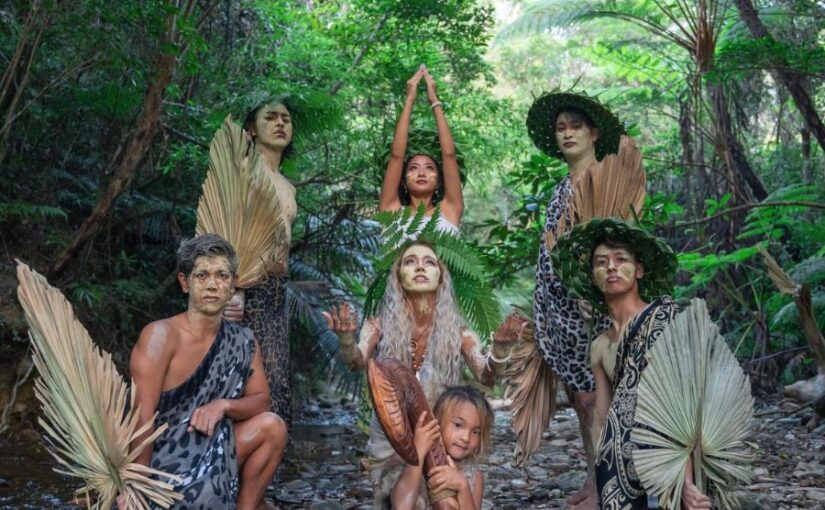
↓Click here for Yanbaru Photo Tour


Let's take a picture of your experience in Yanbaru! / / Let's take pictures of your experience in Yanbaru!
Free photo & video gift!
Click here for popular Yanbaru tours
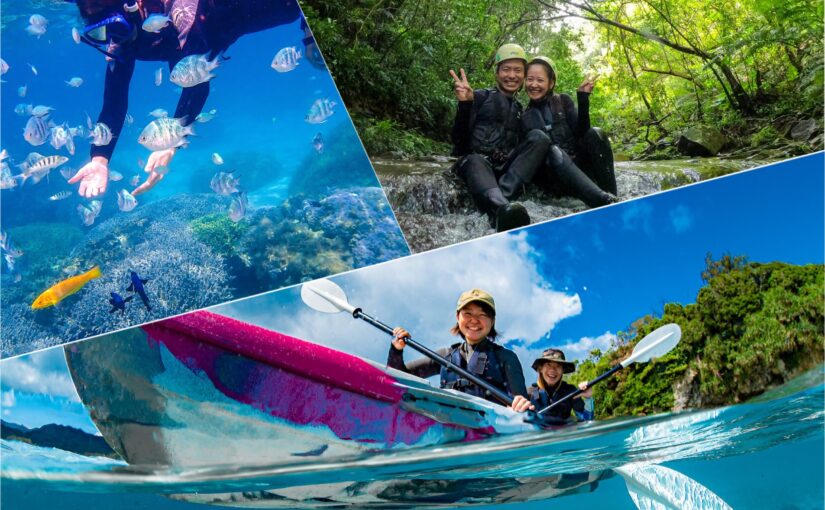
Yanbaru Trekking Tour
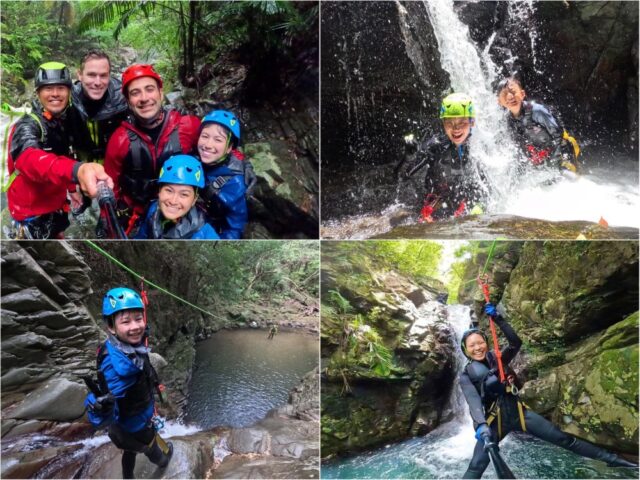
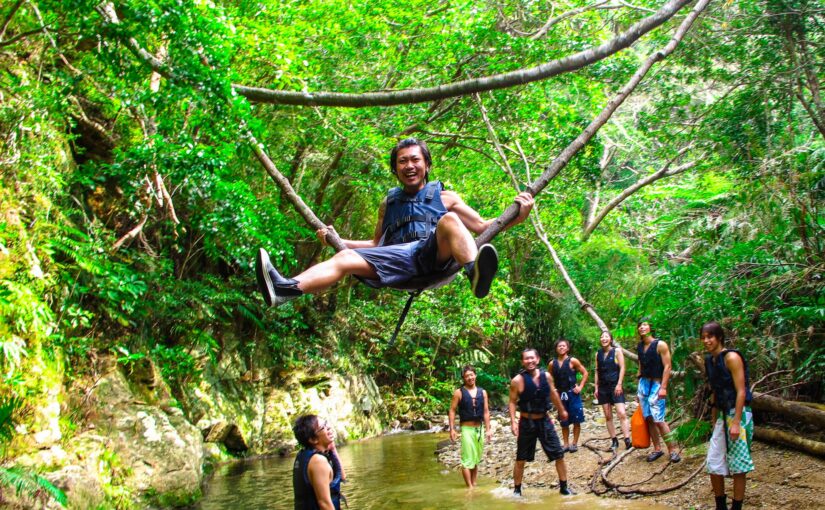
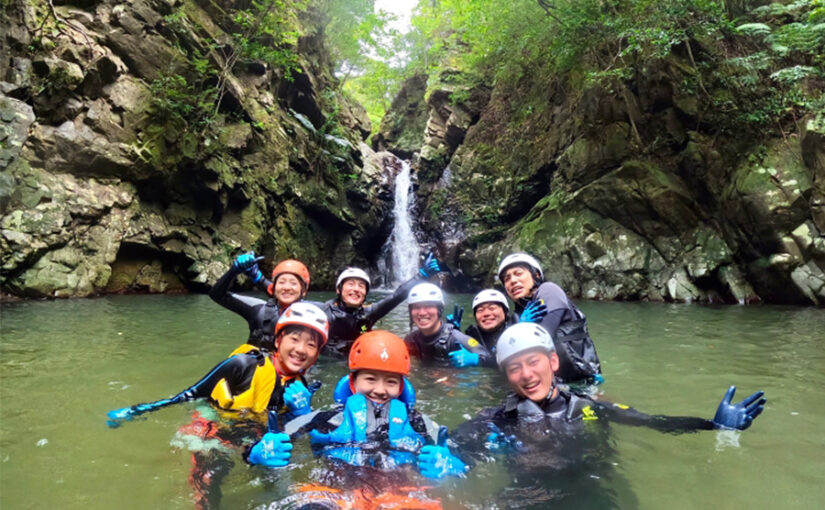
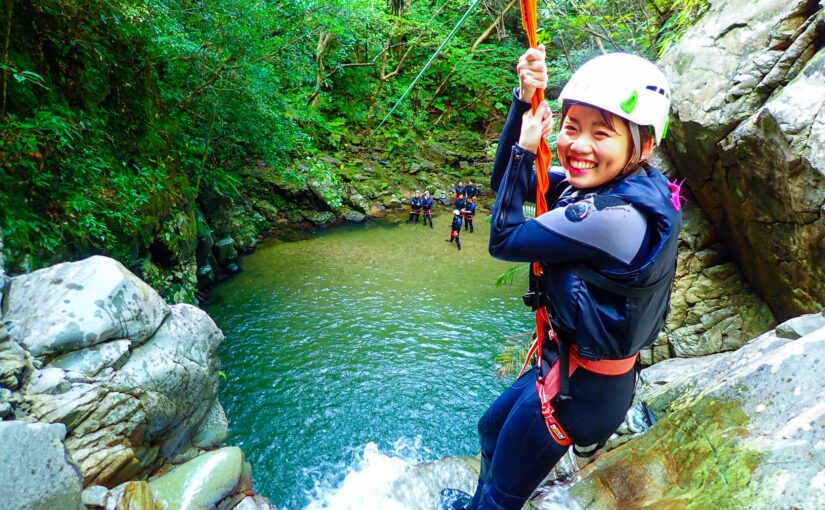
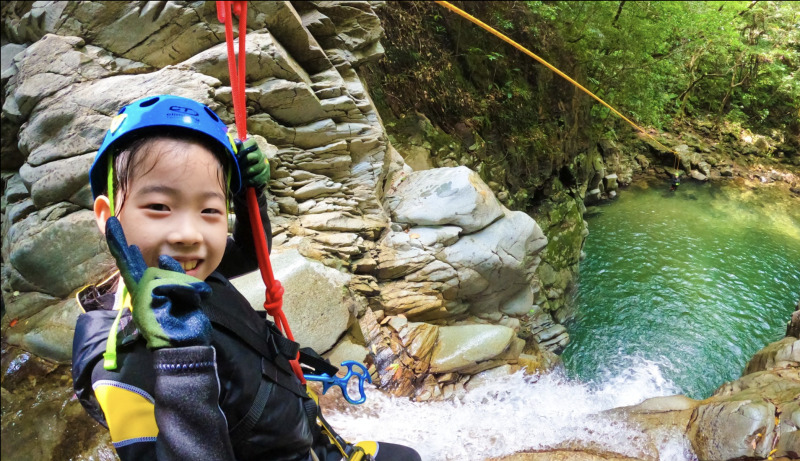
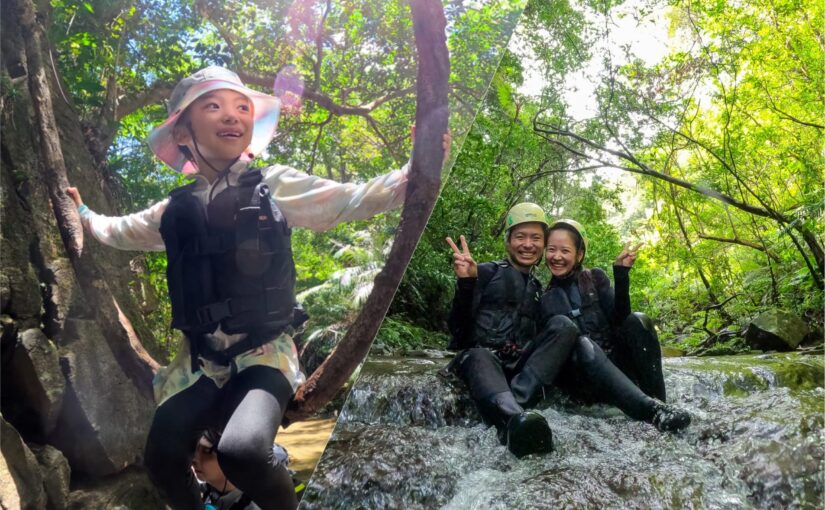
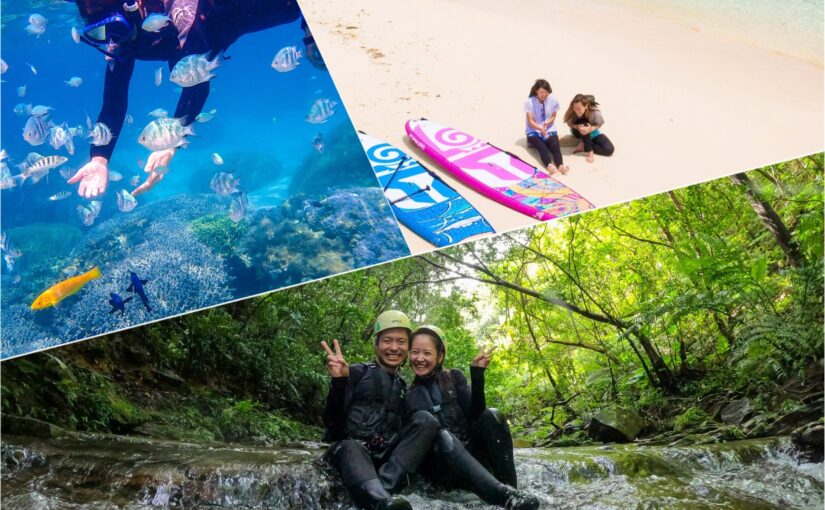
River trekking tours to "Ta Falls," a secluded area in Yanbaru, are available at the crystal-clear waterfall.Enjoy river play and subtropical forest scenery at the same time.Popular Activities♪
The 30-minute trek to the waterfall is relatively gentle, with guides certified by the Okinawa Prefectural Public Safety Commission, and safety measures such as wearing life jackets are thoroughly implemented.
Plan with hotel pick-up and drop-offThe park also offers a variety of activities, so even first-timers and those with small children can enjoy the wilderness of Yanbaru without anxiety.
Hotel pick-up and drop-off included!
↓Click here for Yanbaru trekking tour
Yanbaru Trekking Tour
Click here for popular plans
To safely enjoy observing Yanbaru's creatures
Precautions and Manners when Participating in the Tours

There are a few things to keep in mind when taking a tour of Yanbaru.
First, because of the rich natural environment, insect bites and sunburn protectionLong sleeves and hats, ,insect repellent sprayPrepare the
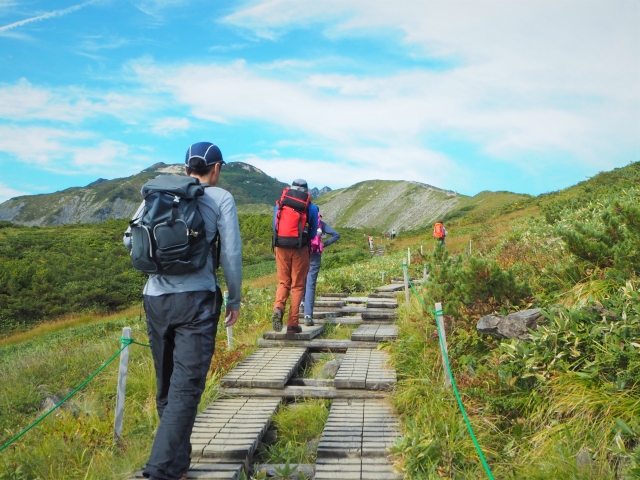
In addition, the weather in Yanbaru's natural environment can change suddenly, so be prepared for sudden rain and bring rainwear or other clothing.Carry rain gearIt is safe to do so.
For river trekking through rivers and forests, the key to safety is to wear marine shoes or trekking shoes that are slip-resistant even when wet.
Always follow the guide's instructions and do not touch or collect plants or animals.Be mindful of the natural environmentBy doing so, you can enjoy the great nature of Yanbaru with a sense of safety first.
Frequently Asked Questions about Yanbaru Creatures
(FAQ)
In addition, you can observe the Okinawa rail at conservation centers and observation facilities with a higher probability of success.
For safe trekking, it is important to wear long sleeves and long pants and avoid exposure.
Also, taking a guided tour is a safer and more enjoyable way to enjoy the area.
Also, be careful not to destroy the habitat of living creatures or leave trash behind.
Try to avoid flash photography as much as possible, as it can stress the creatures.
summary
Yanbaru, introduced here, is a special area in Okinawa where the natural environment remains so precious that it has been registered as a World Natural Heritage site, and the deep forests can only be seen here.endemic speciesand many moreendangered speciesis still quietly breathing.
The experience of walking through a subtropical forest and encountering flora and fauna is not only about the beauty of nature,The connection between ecosystems and the preciousness of lifeThis will be a rare opportunity to experience firsthand the
Please visit Yanbaru and enjoy to your heart's content the encounters with its deep forests and diverse living creatures, while maintaining an awareness of the need to protect nature♪.
↓Click here to read the article.