




A Complete Illustrated Guide to the Creatures of Yanbaru|Thorough explanation of endemic species, endangered species, and places where they can be observed.
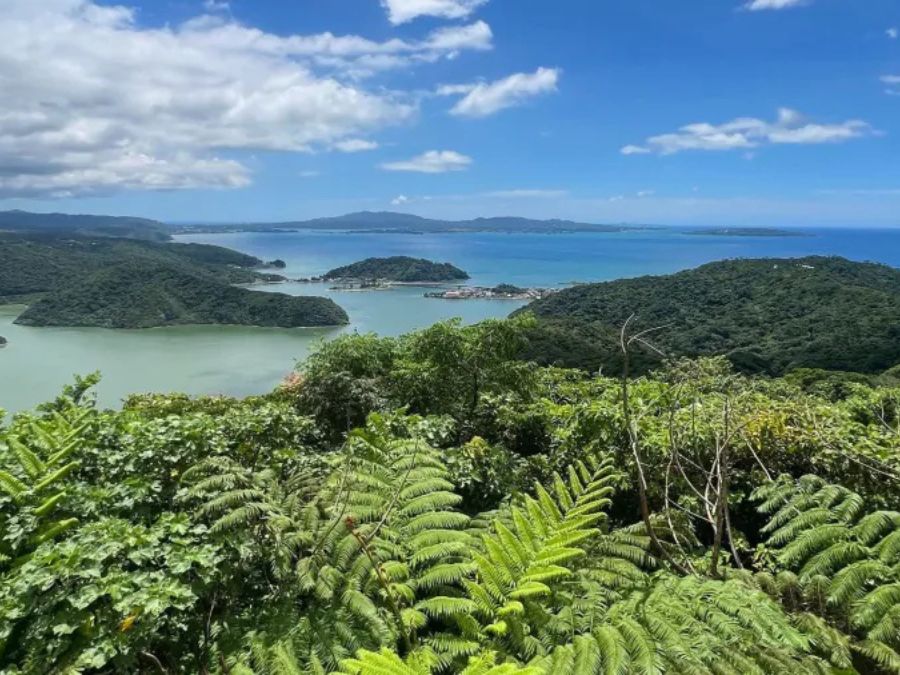
The Complete Illustrated Guide to the Wildlife of Yanbaru
List of Endemic and Endangered Species and Explanation of Observation Methods
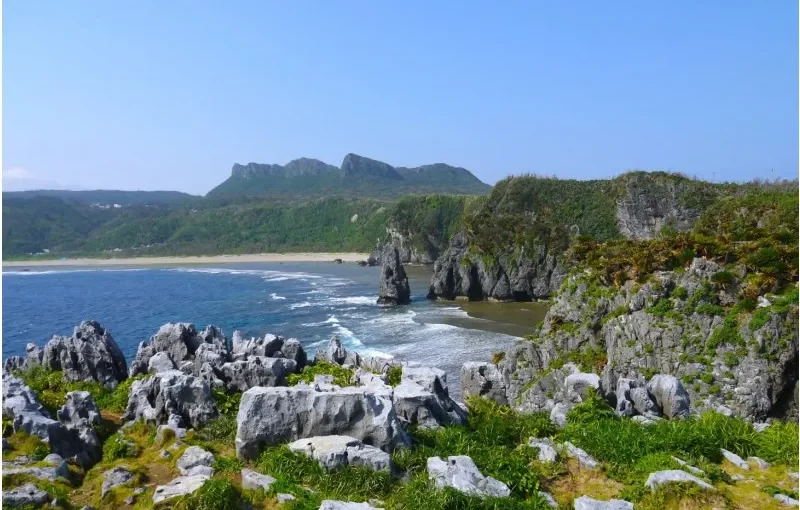
The Yanbaru Forest, which stretches across the northern part of the main island of Okinawa, isAn endemic species that is rare even on a global scaleA natural treasure trove teeming with a wide variety of wildlife.
You’ll have the chance to encounter rare creatures found only here, including the Yanbaru rail and the Noguchi’s woodpecker.
In this article, we’ll take a detailed look at Yanbaru’s iconic wildlife, the best spots to observe them, and tips for enjoying your visit safely!
◆For those who want to see the wildlife of Yanbaru
◆For Those Looking for a Yanbaru Nature Tour
◆For those who want to enjoy a trip to Yanbaru
◆For those interested in learning about Yanbaru’s endemic species
Click here for activity tours in the Yanbaru Forest in Okinawa↓

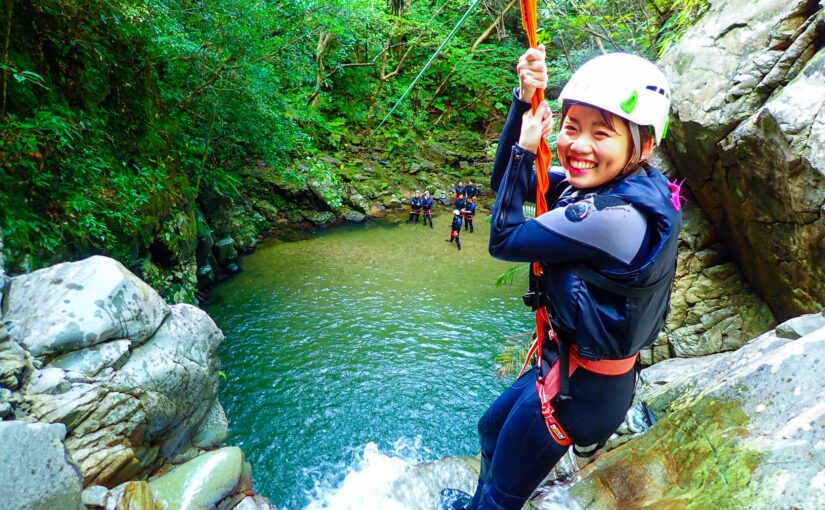
![[Okinawa/Nago City/1 Day] Open to participants ages 10 and up ◎ A canyoning experience packed with nature-based activities ☆ An exhilarating adventure tour in the Yanbaru Forest](https://okinawatour.world-tours.jp/wp-content/uploads/2024/12/yuimaru6-825x510.jpg)
How many species of wildlife are there in Yanbaru?
Why It Is Called the “Galápagos of the East”
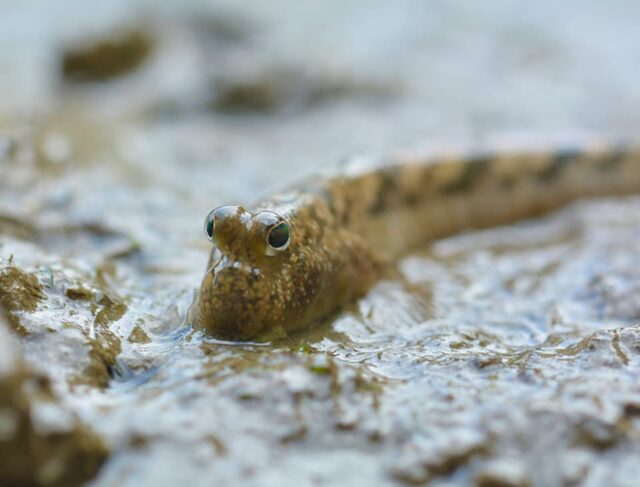
Yambaru is home to a wide variety of flora and fauna and boasts a level of biodiversity that is among the highest in Japan.
The lush subtropical forests and unique topography are the main reasons why endemic and endangered species have thrived here.
Why “Galapagos of the Orient"Let's take a closer look at the background behind why it's called that!"
The number of species endemic to Yanbaru and
Breakdown of Species Listed on the Red List

In Yanbaru, there are species such as the Yanbaru rail and the Noguchi's woodpecker, among othersNorthern part of Okinawa Main IslandNumerous endemic species have been identified that are found only in this area.
Another notable feature is that the Ministry of the Environment’s Red List includes many birds, amphibians, and insects listed as endangered species.
It is precisely because this rare natural environment remains intact that an ecosystem of national significance is being preserved.
The deciding factor in its designation as a World Natural Heritage Site was
Biodiversity Figures
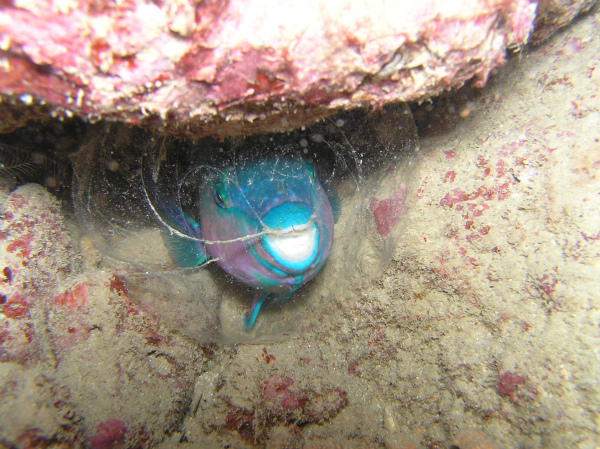
One of the reasons it was designated as a World Natural Heritage Site in 2021 was the Yanbaru...Overwhelming BiodiversityIt is.
In the northern part of Okinawa Island,Endangered Species in JapanMany species are concentrated in this area, and it is particularly known for its high proportion of endemic reptiles and amphibians.
Since it’s recognized as a forest that’s rare even on a global scale, nature lovers should definitely pay it a visit!
Birds Found in Yanbaru
The Yanbaru Rail, the Noguchi's Bulbul, and Natural Monuments
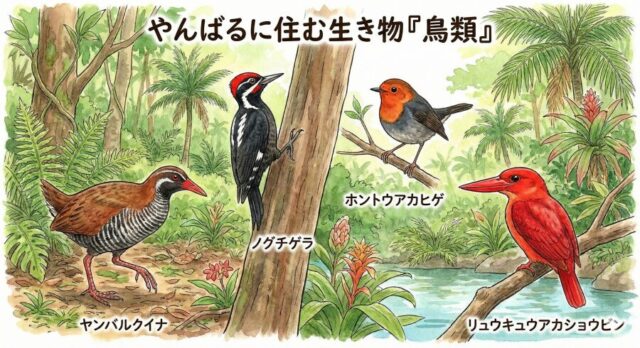
In the Yanbaru Forest, you'll find experiences unique to OkinawaRare Wild Bird WatchingYou can enjoy the
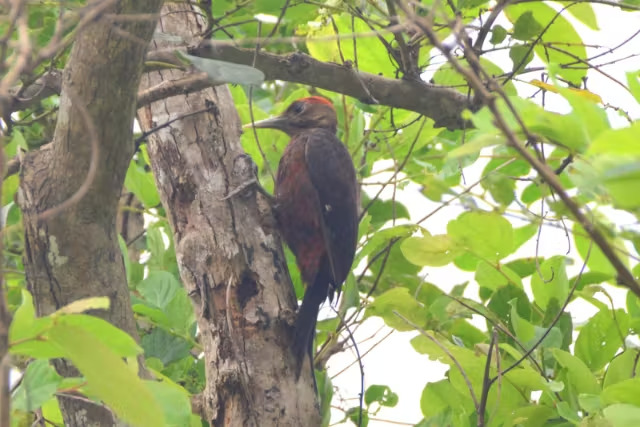
The Yanbaru Rail and the Noguchi's Woodpecker, both designated as National Natural Monuments, are popular animals that attract many tourists.
If you're lucky, you'll be able to observe their vibrant calls and distinctive behaviors up close!
Click here for the list of wild birds in Yanbaru ↓
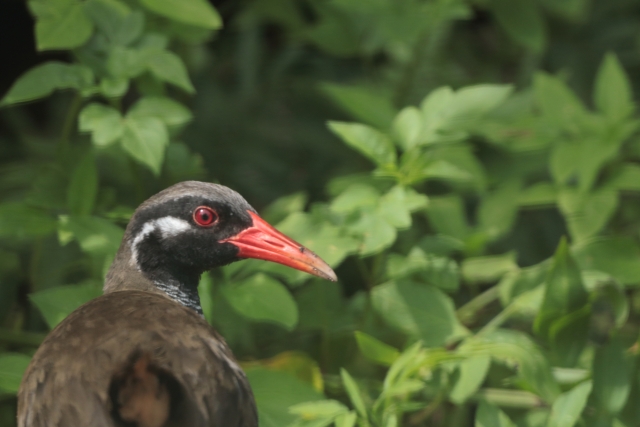
Where can you see the Yanbaru Rail?
How to Choose Observation Spots and Times of Day
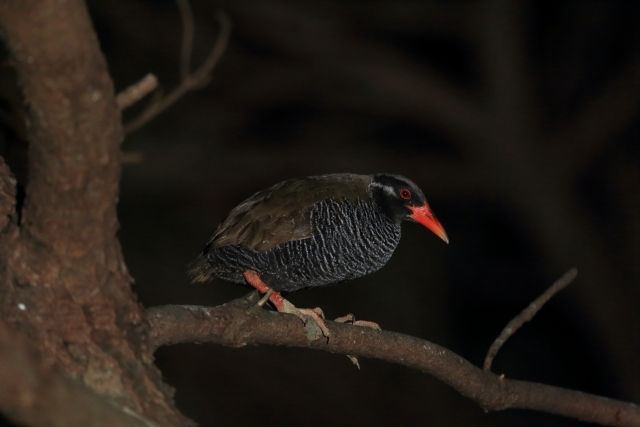
The Yanbaru Rail is often spotted along roadsides and in forested areas around Kunigami Village and Higashi Village.
Since they are particularly active in the early morning and evening,Night Tourand ... andEarly Morning Observation TourParticipation in [...], is also popular.
To help prevent roadkill, let’s slow down and enjoy the scenery while driving at night!
Noguchi's Bunting, Red-bearded Bunting
The Ecology and Observation of the Ryukyu Red-throated Thrush
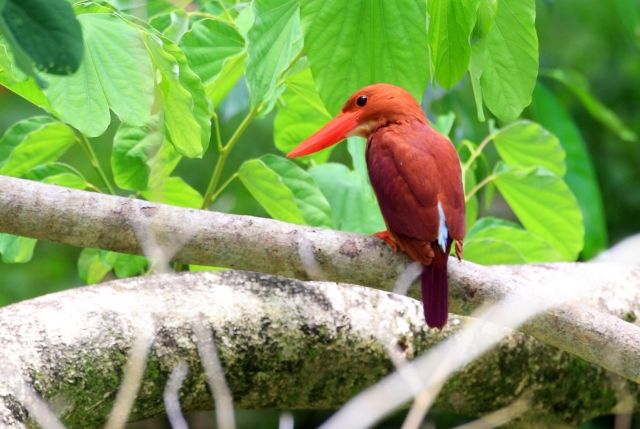
The Noguchi's Cuckoo is a Natural Monument found exclusively in the northern part of Okinawa Island, andThe sound of drumming on woodfeatures.
The Red-bearded Bulbul and the Ryukyu Red-whiskered Bulbul are known for their vibrant plumage and beautiful songs, and they are easiest to spot from spring through early summer.
If you bring binoculars, you'll be able to enjoy birdwatching even more thoroughly!
Mammals of Yanbaru | Rare Endemic Species
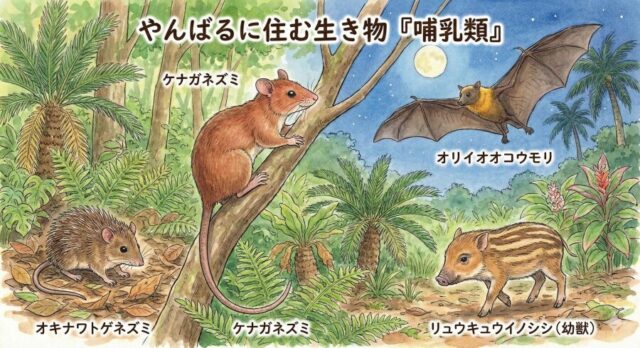
Yambaru is home to numerous endemic mammals that are rare even within Japan.
Since there are many nocturnal animals, you can look forward to some special encounters on the night tour!
In this section, we will introduce the characteristics and ecology of some representative rare mammals.
Click here for information on Okinawa's natural monuments ↓
Long-haired Mouse, Okinawa Spiny Mouse
Ecology of the Orii's Giant Bat

The long-haired mouse isOne of Japan's Largest RatsIt is known for its large body and long fur.
The Okinawa spiny mouse inhabits a limited area in northern Okinawa and is protected as an endangered species.
At dusk, you can even see the fruit-eating Orii's big-eared bat flying overhead in the forest!
Reptiles & Amphibians
Yambaru’s Strength: Endemic Species Account for Over 80 Percent of Its Fauna
Yanbaru is,A Treasure Trove of Reptiles and AmphibiansIt has garnered worldwide attention as...
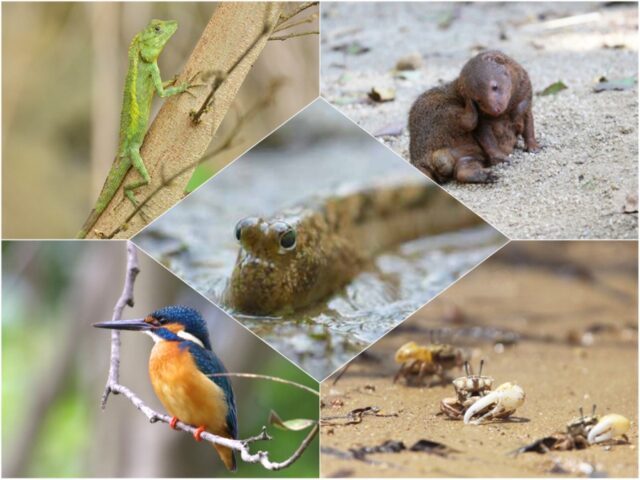
Frogs and lizards, in particular, account for a very high proportion of endemic species, and their ethereal calls echo through the forest at night.
If you love animals, this observation area is a must-visit!
Ryukyu eyelid gecko
Ecology and Observation Tips for the Ryukyu Mountain Tortoise
The Kuroiwa skink is characterized by its large eyes and distinctive pattern, andRare reptiles that are active at nightIt is.
The Ryukyu mountain turtle is known as Japan’s only forest-dwelling turtle and can sometimes be found near mountain streams.
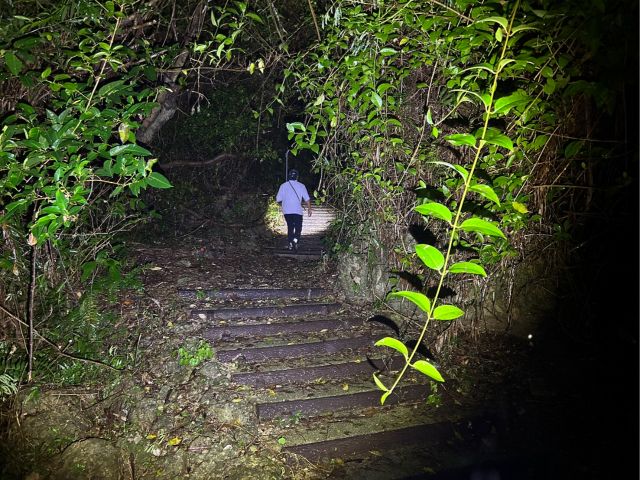
When walking at night, I recommend shining your light on the ground and observing quietly.
Okinawa river frog (Litoria okinawae)
Introduction to Frogs, Including the Flower-spotted Frog
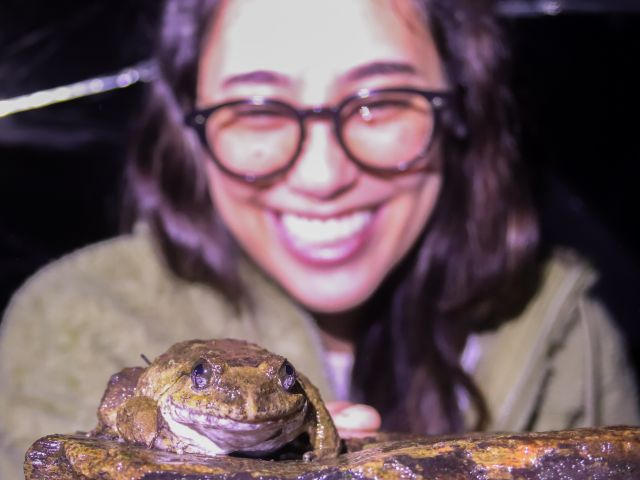
The Okinawa Ishikawa Frog, with its vivid green color, is “The Most Beautiful Frog in Japan"—a popular variety.
The large Hanasaki frog inhabits mountain streams, and at night you can hear its distinctive croak.
Since they become more active during the rainy season, this is a particularly great time to observe them!
Insects and Plants: The Yanbaru Long-horned Beetle and
Endemic species, including the leaf butterfly
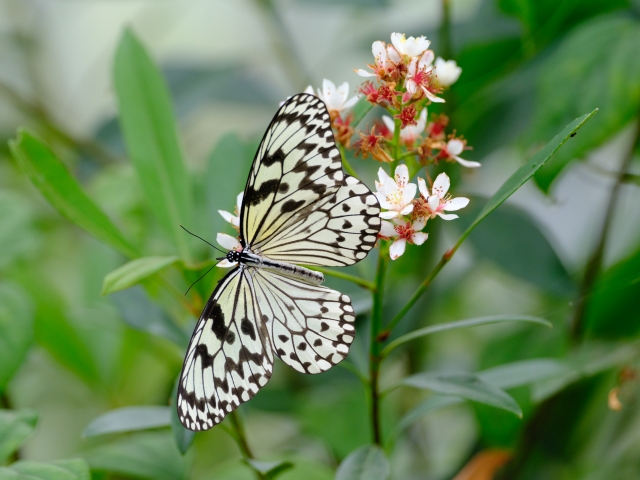
One of the main attractions of the Yanbaru Forest is observing insects and plants.
Many creatures that can only be found here—such as giant beetles and butterflies that look just like dead leaves—live here.
The forest's appearance changes with the seasons.That's why there's always something new to discover every time you visit!
Click here for activity tours in the Yanbaru Forest in Okinawa↓
The Seasons of the Yanbaru Forest
Changes in Flowers, Fruits, and Living Things
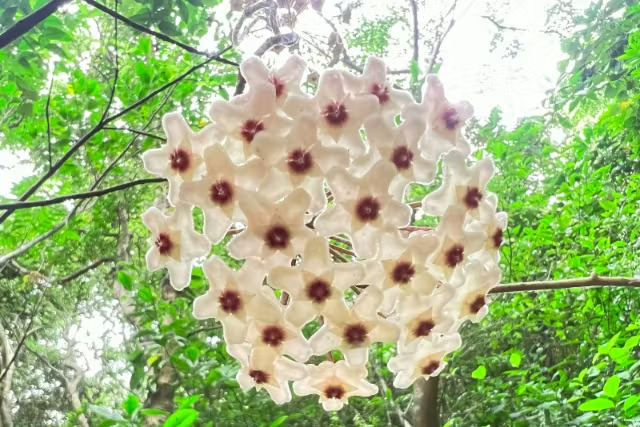
From spring through summer, insects and frogs become more active, and the entire forest comes alive.
In the fall, wild birds and bats gather in search of nuts, and winter is the season to enjoy a quiet walk in the woods.
Seasonal Changes in NatureIf you take a stroll while soaking it all in, you'll be able to appreciate the charm of Yanbaru even more!
Watch out for dangerous creatures in Yanbaru!
Precautions for Encounters with Habu and Himehabu Snakes
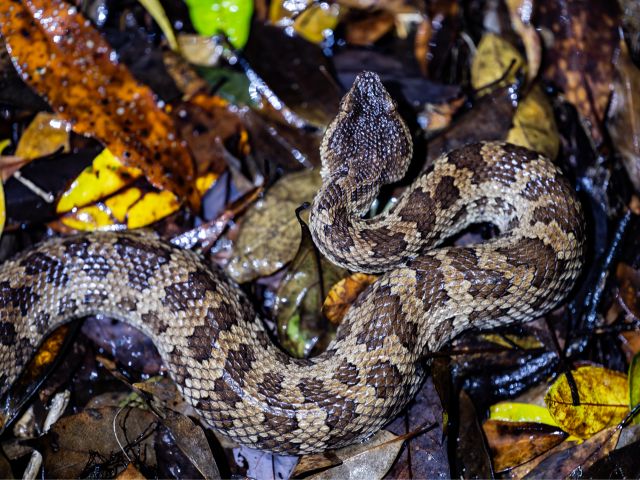
While there are many fascinating creatures in Yanbaru,Dangerous Creatures to Watch Out For...also live there.
Since you may encounter vipers and dwarf vipers in forests and grassy areas, safety precautions are essential.
To ensure you can enjoy nature observation with peace of mind,Basic KnowledgeLet's make sure we master this!
We recommend joining a tour!
Click here for our recommended Yanbaru tours↓
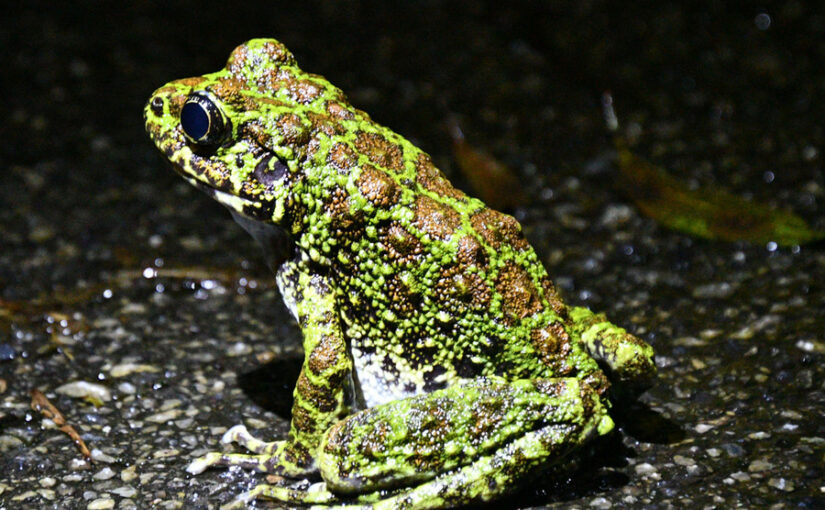
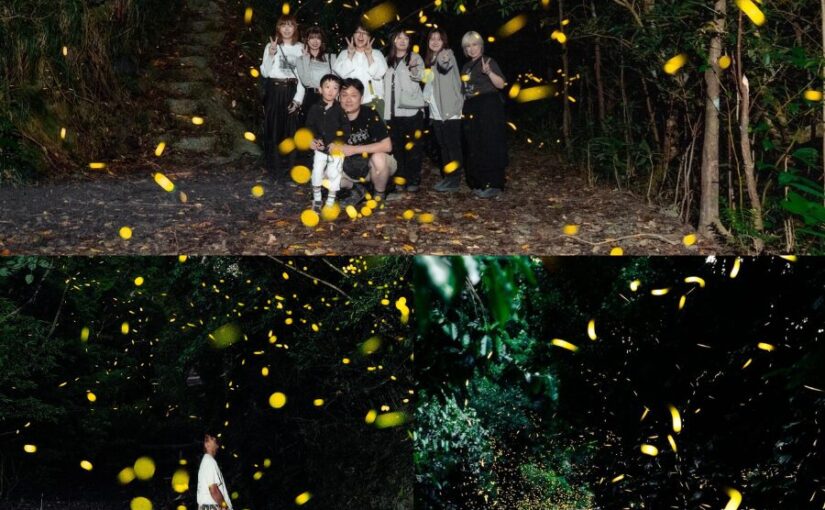
Click here for night tours on the main island of Okinawa
Equipment required for the tour and
Basic Rules for Safe Hiking

Long-sleeved shirts, long pants, and non-slip shoes are essential items for exploring Yanbaru.
Since it gets dark at your feet at night, it’s a good idea to have headlights or a flashlight on hand!
Joining a guided tour makes it easier to safely observe rare wildlife, so it's recommended even for beginners.
Fun for the whole family—even the kids!
4 Recommended Wildlife Observation Tours in Yanbaru
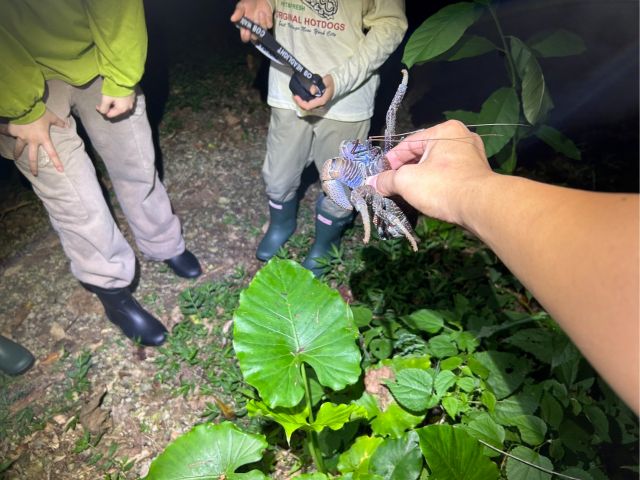
In Yanbaru, there's something for everyone, from young children to adultsA wide variety of nature toursI am doing it.
The guide will carefully explain the characteristics of the animals and how to spot them, so even beginners can join with confidence!
Since the animals you can see differ between day and night, taking multiple tours is a popular choice!
Enjoy the Great Outdoors!
Click here for popular Yanbaru tours↓
Yanbaru Night Tour
(Observing a rare nocturnal species)
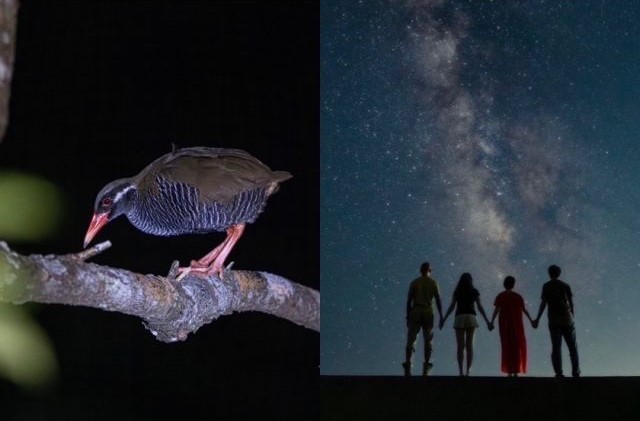
On the night tour, you'll stroll through the forest while searching for nocturnal creatures such as the Yanbaru rail and various frogs.
If you go with a guide, you can learn how to observe wildlife without startling them, as well as how to distinguish between their different calls.
You can also enjoy stargazing at the same timeThat's why it's perfect for family trips.
Click here for the Yanbaru Night Tour↓

Click here for night tours on the main island of Okinawa
Click here for more information on the Yanbaru Night Tour↓

Early Morning Yanbaru Rail Bird-Watching Tour
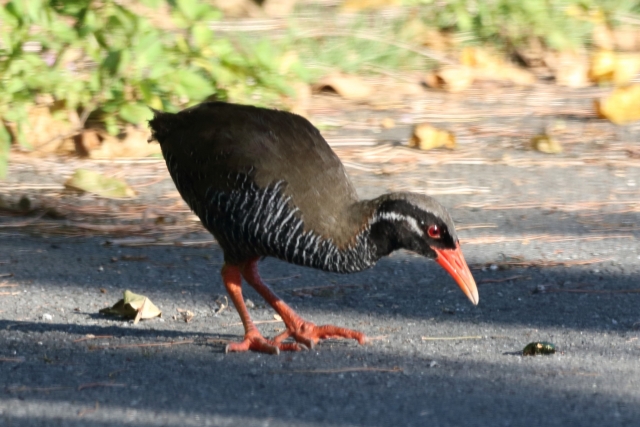
Early morning is when the Yanbaru rail is active, andIncreased encounter ratesThe popular observation time.
Walking through a quiet forest while listening to the birds sing is a truly special experience.
This tour is also highly recommended for anyone who enjoys photography!
River Trekking Tours
(Encounters with Giant River Prawns and Fireflies)
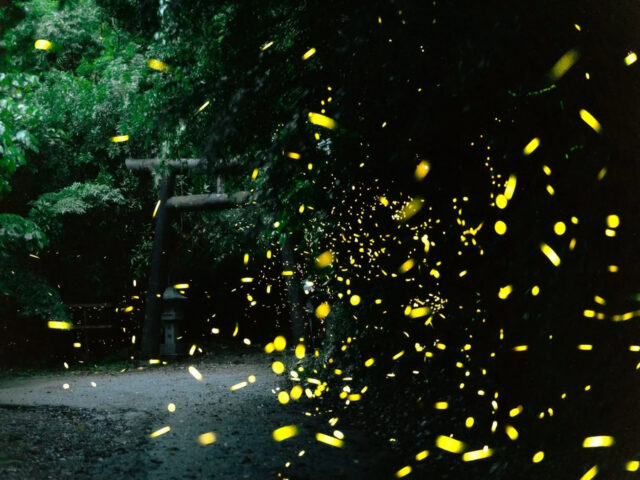
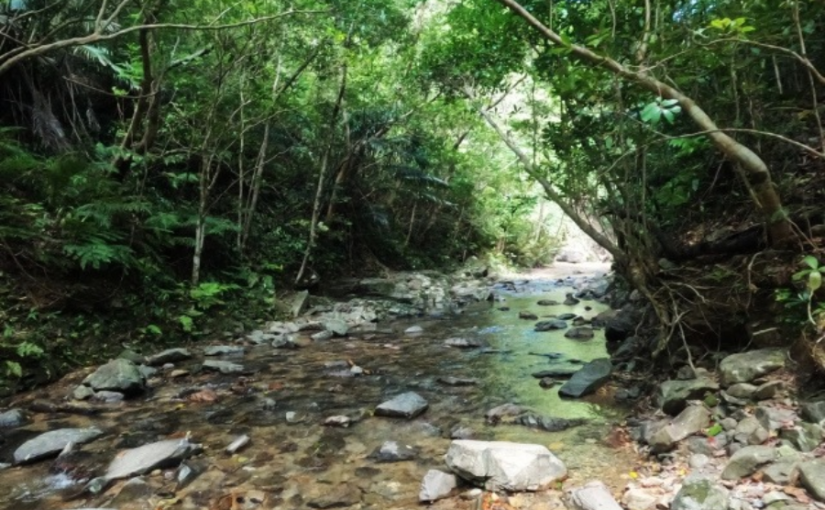
During river trekking along the riverbank, you can observe aquatic creatures such as giant river prawns and fireflies.
During the summer, you can enjoy it as if you were just playing in the water, soPopular with families with childrenThere are
Since you can learn while experiencing nature firsthand, it’s perfect for independent research projects!
Yambaru Tribal Photo Tour & Buggy Tour

On this photo tour, which focuses on photography, you can take your time observing the stunning scenery and wildlife of Yanbaru.
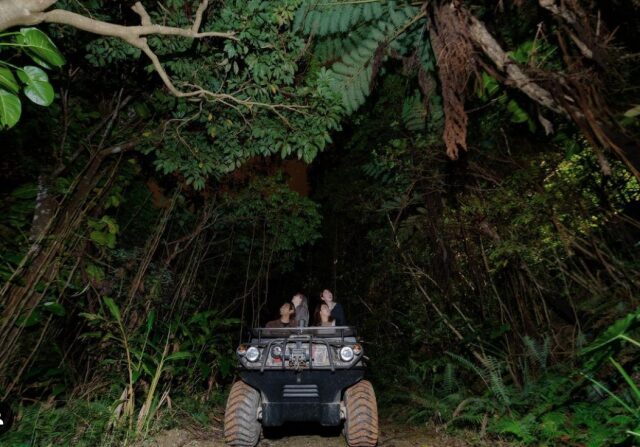
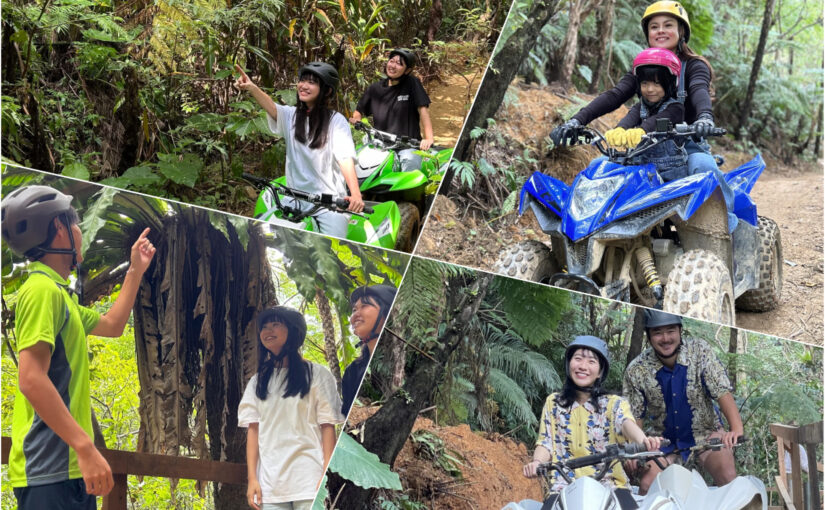
Buggy tours are popular among outdoor enthusiasts because they offer an active way to explore the forest.
I want to enjoy nature and sightseeing togetherIf you're interested, please feel free to join us.
Click here for the Yanbaru Tribal Photo Tour ↓

Click here for our buggy tour↓
Efforts to Protect Yanbaru's Natural Environment
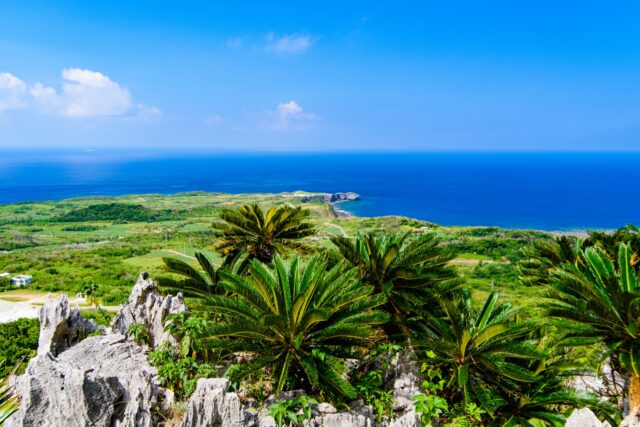
To preserve this precious ecosystem for future generations, in Yanbaru,Various Conservation Effortsis underway.
A key feature of this initiative is that local residents, government agencies, and research institutions are working together to conserve endangered species.
Even when enjoying nature, we should try to be mindful of the environment.
Conservation Framework for National Parks and World Natural Heritage Sites
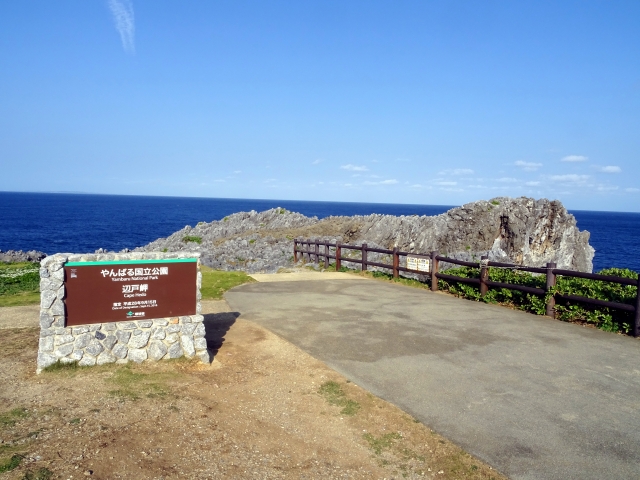
In Yanbaru National Park, efforts are underway to establish protected areas to safeguard rare flora and fauna.
Following its designation as a World Natural Heritage Site, efforts to establish rules aimed at reducing the impact on the natural environment were also strengthened.
Tourists should also enjoy their strolls while observing proper etiquetteBy doing this, you can help protect our rich natural environment!
Access: 2 hours 25 minutes by car from Naha Airport
◆Opening hours: 9:00-17:00 (open year-round)
Community Initiatives to Combat Invasive Species and Prevent Roadkill
To prevent damage caused by invasive species such as mongooses, in northern Okinawa,Capture and Monitoring Activitiesis currently taking place.
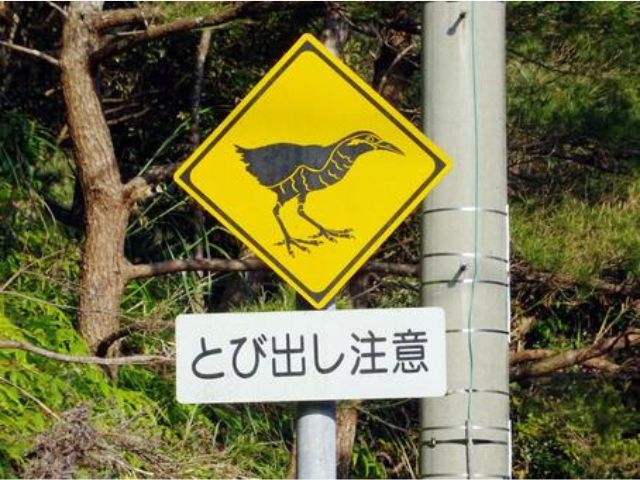
To prevent roadkill involving the Yanbaru rail, community-wide measures—such as warning signs and speed limits—are also being implemented.
Learning about these conservation efforts will definitely change the way you view tourism in Yanbaru!
Frequently Asked Questions (FAQ) About Yanbaru's Wildlife
summary
The Yanbaru Forest is a special area home to rare endemic species, including the Yanbaru rail and the Noguchi’s woodpecker.
Amid the rich natural environment of this World Natural Heritage Site, you can enjoy observing a wide variety of wildlife day and night.
While observing safety precautions and etiquette,A Moving Experience Unique to YanbaruEnjoy it to the fullest!
↓Click here to read the article.

























































![[February–November Only] Open to ages 4 and up! Sound Parasailing Course: Soar While Listening to Music (Includes Photo Service) (No. 116)](https://okinawatour.world-tours.jp/wp-content/uploads/2022/05/skywalker116-3-e1662853930938-825x510.jpg)
