
When Is the Best Time for Whale Watching? A Comprehensive Guide to the Best Seasons by Region in Japan and How to Choose
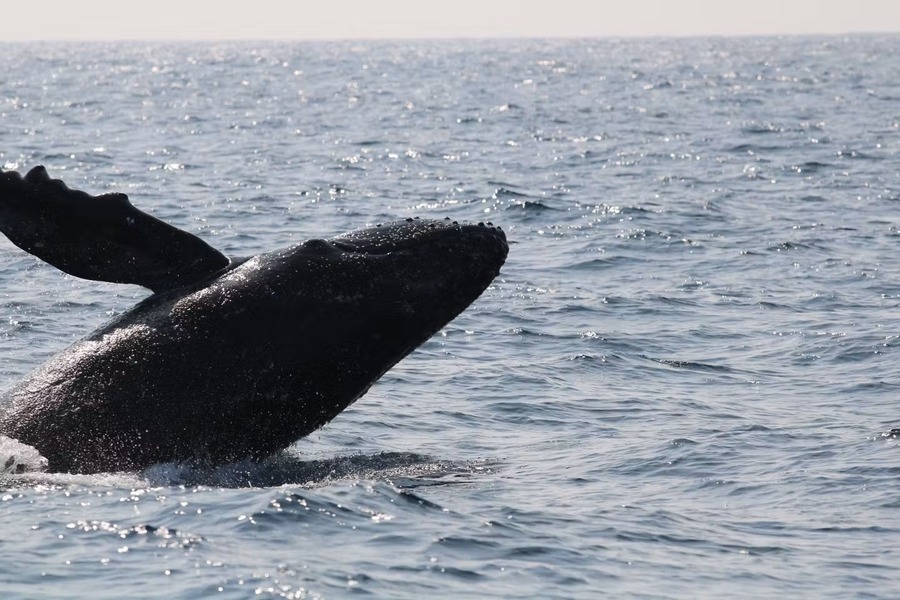
When is the best time for whale watching?
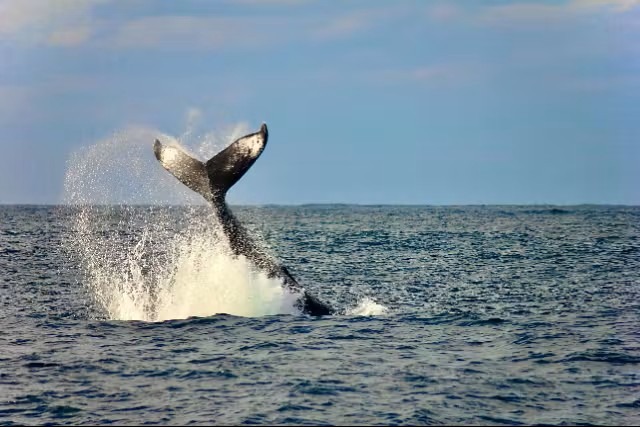
The best time for whale watching depends on the area you're visiting and the type of whale you want to see.
From winter through spring, in Okinawa, Amami, and the Ogasawara Islands,humpback whale (Megaptera novaeangliae)In the summer, the best time to spot sperm whales is in Rausu, Hokkaido, and from April through October, the best time to spot Bryde's whales is in Tosa Bay, Kochi!
In this column, we’ll explain the best seasons for each region in Japan and how to choose your destination. We hope you’ll find this helpful when planning your trip.
◆For those who are unsure which area to choose—Hokkaido, Okinawa, the Ogasawara Islands, etc.
◆For those who want to know the best time of year to go whale watching
◆For those concerned about what to wear for whale watching, how to prevent seasickness, or the risk of cancellations
▼Click here for articles to read in conjunction with this one.
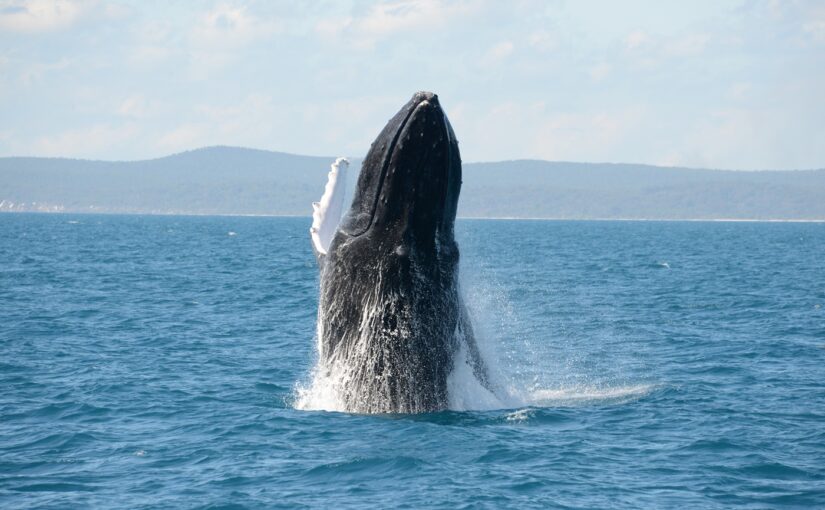
Click here to see the ranking of popular plans in Okinawa
Domestic Whale Watching
6 Recommended Areas and the Best Time to Visit
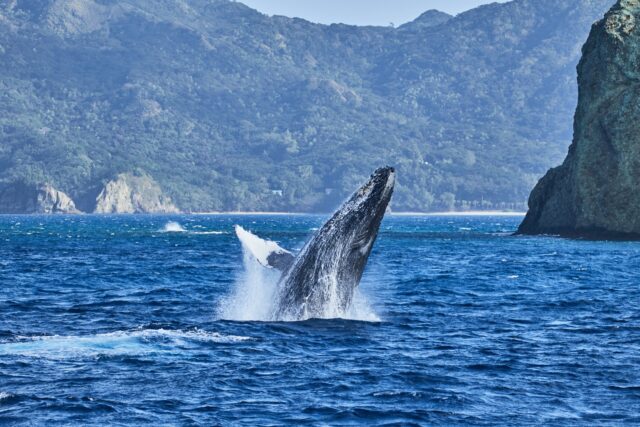
There are popular areas throughout the country where you can see whales.
Here, I’ll introduce six representative areas along with their best seasons.
▼Learn More About Whale-Watching Tours▼
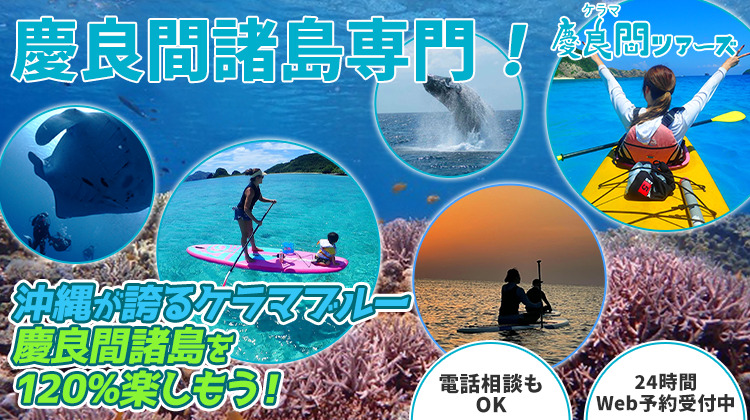
Okinawa, Zamami Island (Kerama Islands)

Zamami Island in the Kerama Islands is one of Japan's premier spots, known as a breeding ground for humpback whales.
The best season is usuallyJanuary–MarchIt's available for a limited time from late December through early April.
One of the main attractions is the high likelihood of spotting whales, as whale-spotters search for them from the island’s observation deck and guide the boats via radio!
It's about a 50-minute ride by high-speed ferry from Tomari Port in Naha, so it's very easy to get to.
▼Click here for whale-watching tours departing from Naha▼


▼Click here for whale-watching tours in the Kerama Islands▼

Whale-Watching Tours in the Kerama Islands
ranking
Kagoshima and Amami Oshima

On Amami Oshima in Kagoshima Prefecture, large numbers of humpback whales can be seen from late January through March. The best season isAround FebruaryIt is.
You're sure to be amazed by the sheer power of the jump (breaching)!
Since the island is home to lush subtropical nature, we also recommend itineraries that combine diving with other marine activities, such as canoeing.
Whale-Watching Tours on Amami Oshima
ranking
Rausu, Hokkaido
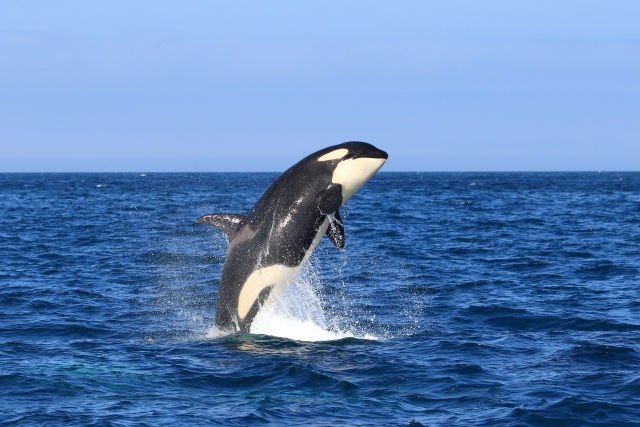
Rausu, located in the Shiretoko World Natural Heritage Site, is an area where you can encounter sperm whales and orcas in the Nemuro Strait.
Tours run from late April through around October, and the best season isJuly–SeptemberIt is.
It is said that on days when the sea is calm, there is a high probability of encountering sperm whales.
The cruise lasts about two and a half hours. It can get chilly out on the water even in the summer, so be sure to dress warmly!
Tokyo and the Ogasawara Islands
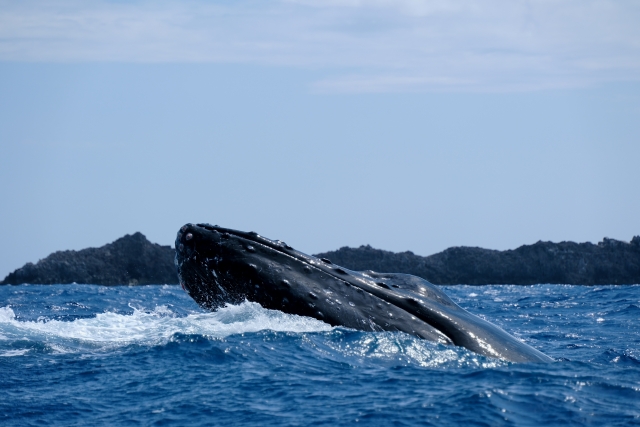
The Ogasawara Islands in Tokyo are said to be the birthplace of whale watching in Japan.
Humpback whales can be seen from winter through spring (primarily from February to April), while sperm whales can be seen year-round, with the best viewing period being from May to November.
By boat from Takeshiba, TokyoAbout 24 hoursSince this will take some time, please allow plenty of time in your schedule.
One of the attractions is that, in addition to whales, you can also enjoy dolphins and the breathtaking scenery of the southern islands.
Held exclusively during the winter season
▼Click here for whale-watching tours▼


Kochi, Tosa Bay (Kuroshio Town)
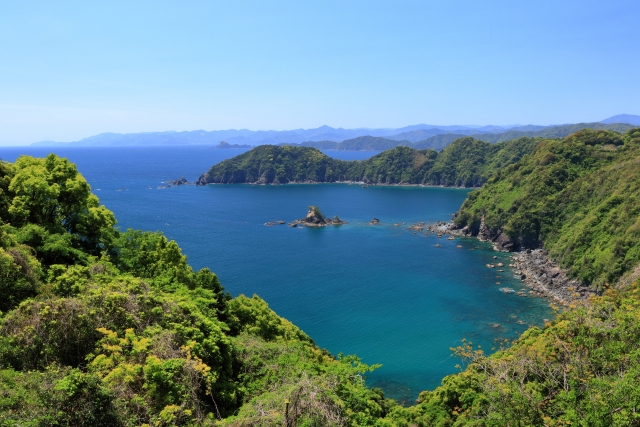
In Tosa Bay, Kochi Prefecture, whale-watching tours where you can spot Bryde's whales (also known as bonito whales) are very popular.
Ships depart from Kuroshio Town and other locations, generally from late April through October.
On a boat captained by an active fisherman,Approx. 4 hoursYou can enjoy a cruise on the .
Because of its graceful swimming style, it’s also known as the “Lady of the Sea.”
Wakayama, Taiji Town
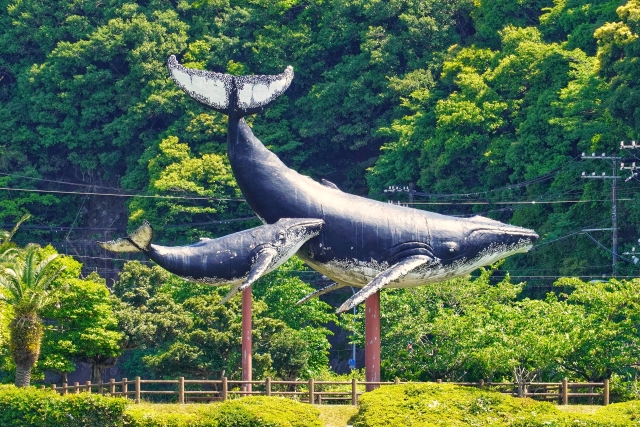
Taiji Town in Wakayama Prefecture is,The Birthplace of Traditional WhalingIt is a town known for its whales.
At the Whale Museum, you can take your time learning about the ecology of whales and dolphins.
Ocean cruises vary by operator in terms of operating periods and itineraries. Be sure to check the latest information on each operator’s official website before making a reservation.
Another great thing is that it’s easy to get there from the Kansai area via the JR Kisei Main Line or by car.
▼Click here for whale-watching tours departing from Chatan▼

▼Learn More About Whale-Watching Tours▼
[By Month] Whale Watching
Best Time to Visit Calendar

When viewed by month, the areas that take center stage change with the seasons—the southern islands in winter and the northern seas in summer.
If you've already decided on the month of your trip, we recommend narrowing down your search by region starting here.
Regions where it can be seen from winter through spring (December through March)

From December through March, humpback whales...Breeding SeasonIt is.
The main areas are Zamami Island (January–March), Amami Oshima (late January–March), and the Ogasawara Islands (primarily around February–April).
This is the most spectacular time of year to see them jumping and showing off their tail fins in the warm southern seas!
Since the sea can get quite windy in winter, it’s a good idea to set aside a few extra days just in case.
Held exclusively during the winter season
▼Click here for whale-watching tours▼
Regions where it can be seen from spring through early summer (April–June)

In April, cruises to see Bryde's whales in Tosa Bay and in Rausu (starting in late April) begin.
In the Ogasawara Islands, you may be able to enjoy the tail end of humpback whale season.
The Season of Fresh GreeneryIt's perfect for those who want to take a leisurely trip to the beach.
Since sightings may be inconsistent at the start of the season, be sure to check the latest information in advance.
Regions where it can be seen from summer through fall (July–November)

July through September is the best time of year to see sperm whales in Rausu.
Some surveys have shown that Bryde's whales in Tosa Bay can be observed until around October, with encounter rates tending to increase from late summer through fall.
Sperm whales in the Ogasawara Islands are also most commonly sighted from around May through November.
howeverTyphoon seasonSince this overlaps with other events, please make sure to leave some wiggle room in your schedule.
Recommended Activities to Enjoy on a Chartered Boat
▼Click here for whale-watching tours▼
Differences in the Types of Whales Seen and the Seasons They Are Seen In

Depending on the species of whale, the times and locations where they can be seen vary greatly.
Here, I’ll introduce the characteristics of three typical types and the best times to meet them.
Held in Northern Okinawa
▼Click here for whale-watching tours▼


▼Learn More About Whale-Watching Tours▼
Humpback Whales (The Most Common Species Seen from Winter to Spring)
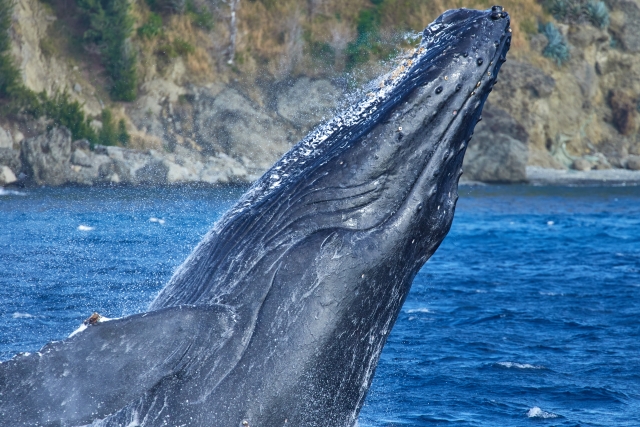
Humpback whales are large whales measuring over 10 meters in length that migrate to warm winter waters to breed and raise their young.
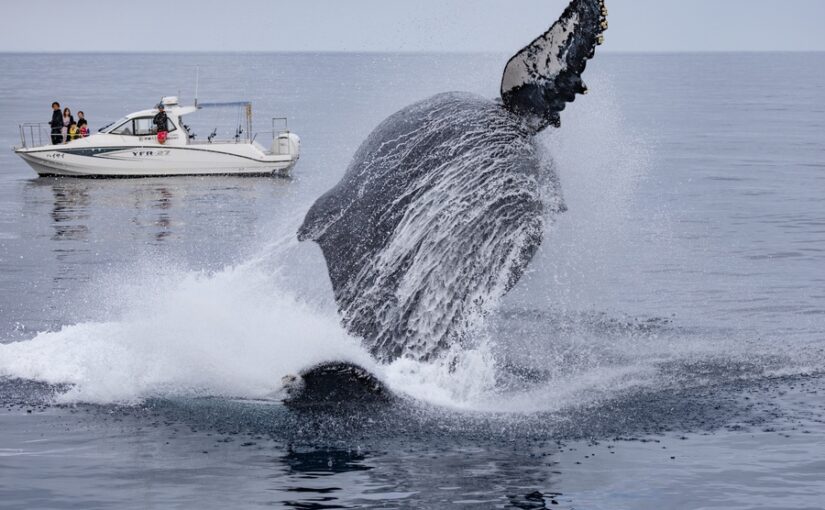
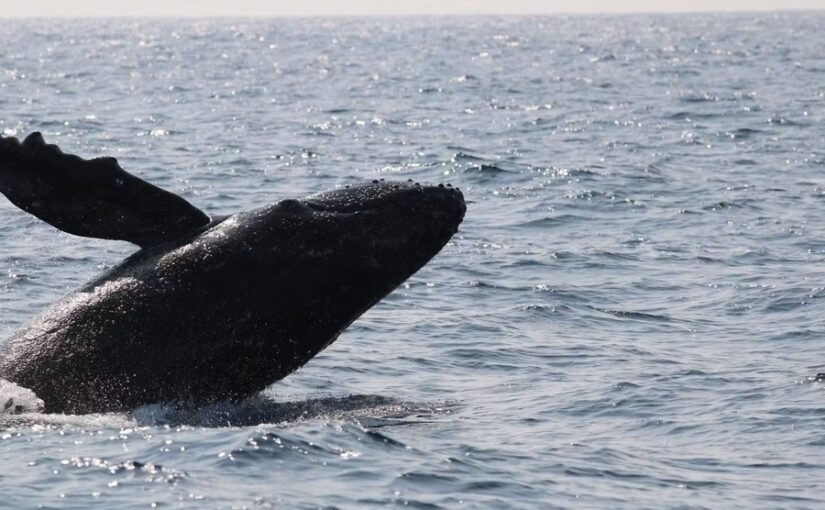
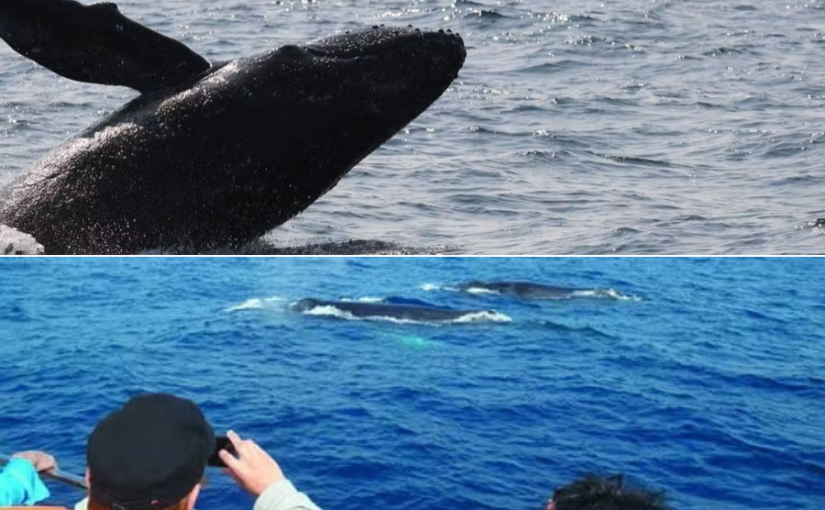
Jump (breaching) and the sight of them raising their tails high are extremely popular.
You can see them from winter through spring in Zamami, Amami, and the Ogasawara Islands.
If this is your first time whale watching, we recommend starting with this species!
Sperm Whale
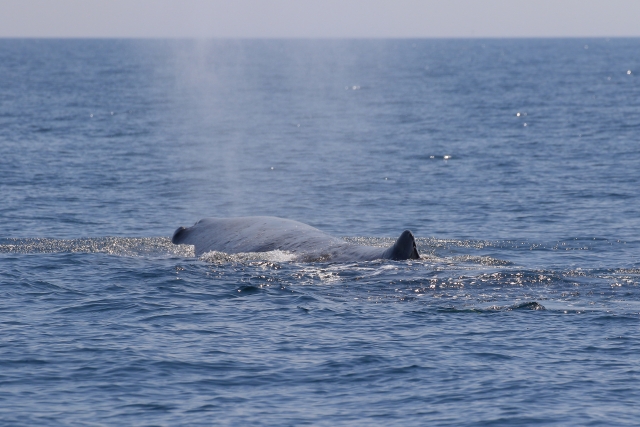
Sperm whales are a type of toothed whale, andOne of the largestIt is a whale that boasts a size of .
They can be seen in Rausu, Hokkaido, during the summer, and in the Ogasawara Islands year-round; generally, the best time to see them is from May through November.
Since they dive deep into the ocean to feed on squid and other prey, you can observe them spouting water and their large backs as they resurface.
Once you see it, you'll never forget how impressive it is.
Humpback Whale
The false killer whale tends to stay in warm waters, and in Japan, the best time to see them is from April through October in Tosa Bay, Kochi Prefecture.
He has a gentle disposition that makes it hard for him to be on guard even when a boat approaches, and “The Lady of the Sea"..." is what it's called.
It is about 12 meters long, and its graceful swimming is a sight to behold.
It's perfect for anyone who wants to take their time watching the whales.
▼With an encounter rate of nearly 100%!?
Click here for whale-watching tours ▼
▼Learn More About Whale-Watching Tours▼
Where's the best place for whale watching?
How to choose by purpose

The answer to "Which one is best?" depends on your purpose.
We've organized the selection criteria based on three perspectives: frequency of encounters, accessibility, and family-friendliness.
For those who want to be sure to see whales

If you're looking for the highest sighting rates, Zamami Island from January through March and Rausu from July through September are your best bets.
Zamami has a system in place to guide visitors from the observation deck, while Rausu is said to offer a high probability of seeing sperm whales on calm days.
However, since they are wild animals, there’s no guarantee you’ll see them.
Itineraries that allow for multiple sailings, orReserve DayIt's a good idea to have one on hand.
Full refunds available!
▼Click here for whale-watching tours▼
▼Learn More About Whale-Watching Tours▼
For those looking for an area that's easy to reach from the Kanto region
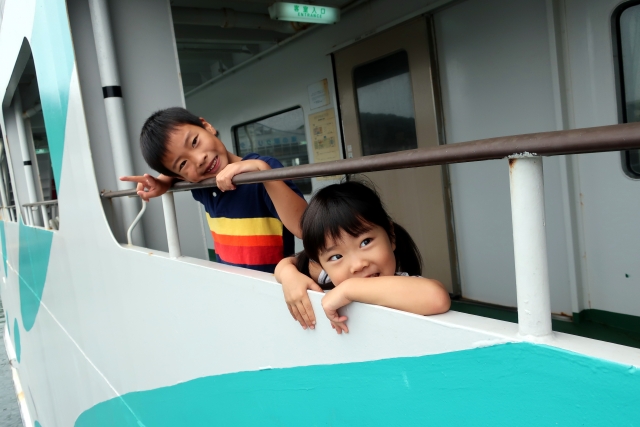
If you're visiting from the Kanto region, Zamami Island—which you can reach by plane and high-speed ferry—is a good option.
Since the trip by boat from Takeshiba in Tokyo to the Ogasawara Islands takes about 24 hours one way,About 6 daysLet's take a look at the schedule.
If you're looking for something fun close to home, a cruise off the coast of Choshi, Chiba, is another option. You might even get the chance to see dolphins and whales.
Since the dates of operation vary by operator, it is essential to check in advance.
For Beginners and Families

For first-time visitors or those with children, the estimated time required isApprox. 2.5 hoursThe cruise to Rausu is a good reference point.
While some plans allow participation starting at age 0, age requirements vary by tour.
Boat tours in Zamami last about 1 to 2 hours and are generally recommended for elementary school students and older.
The trip across Tosa Bay takes about 4 hours, which is a bit long, so it's best suited for those who are used to being on boats.
▼Recommended for Family Trips and Trips with Kids
Click here for the activity plan ▼


Points to Keep in Mind to Avoid Making Mistakes When Choosing the Right Time

If you base your decision solely on the time of year, you might run into unexpected problems due to the weather or sea conditions.
We've put together a list of key points you should know in advance.
Times of Year When Events Are Prone to Cancellation Due to Weather and Sea Conditions

When the wind and waves are strong, whale watching...Flight Cancellationwill be.
In winter, on southern islands such as Okinawa, there are days when the north wind causes rough seas.
During the typhoon season—from summer through fall—the risk of canceled sailings increases in Rausu, Tosa Bay, and the Ogasawara Islands.
Reviews saying “It was the worst” often seem to stem from disappointing experiences such as flight cancellations or missed connections.
Be sure to allow 2–3 days as a buffer, make your reservation early, and check the cancellation policy.
Clothing and Measures to Prevent Seasickness

The temperature at sea feels cooler than on land, and the wind is stronger.
Be sure to bring warm clothing for winter, and even in Rausu during the summer, you should bring a windbreaker.
Hats, sunglasses, and sunscreen are also essential.
If you're worried about getting seasick, before boarding,anti-travel sickness (medicine)Drink this and make sure to get a good night's sleep the night before.
The trick is to avoid overeating or going hungry and to gaze out at the distant horizon.
▼Click here for car rental plans available near Naha Airport▼


▼Learn More About Our Car Rental Plans▼

Regarding the whale-watching season
Frequently Asked Questions (FAQ)
It depends on the type of whale you want to see and the area. As a general guideline, humpback whales can be seen around January through March off Zamami Island and Amami Oshima; sperm whales around July through September off Rausu, Hokkaido; and Bryde’s whales around April through October in Tosa Bay, Kochi.
In winter, Zamami Island is a popular choice because it has a system in place where guides spot whales from the island’s observation deck to direct the boats. In summer, the cruise in Rausu—which takes about two and a half hours—is a good option. Age requirements and tour availability vary by tour, so please check in advance.
On days with strong winds or rough waves, ferry service may be suspended. Since policies regarding schedule changes and refunds vary by operator, be sure to check the cancellation policy when making your reservation. It’s a good idea to set aside a few extra days just in case.
summary

Whale-watching highlights vary by season: from winter through spring in Zamami, Amami, and the Ogasawara Islands; in summer in Rausu; and from April through October in Tosa Bay.
Choose based on the whales you want to see and how easy it is to get there, and depending on the weather,Reserve DayThe key to success is to ensure that...
Be sure to find the perfect area and time of year for you, and enjoy a memorable encounter with the whales!
▼Click here for articles to read in conjunction with this one.