



Before visiting Himeyuri Tower. A detailed explanation from the structure of the toad to its final moments.
Explanation of History and Attraction
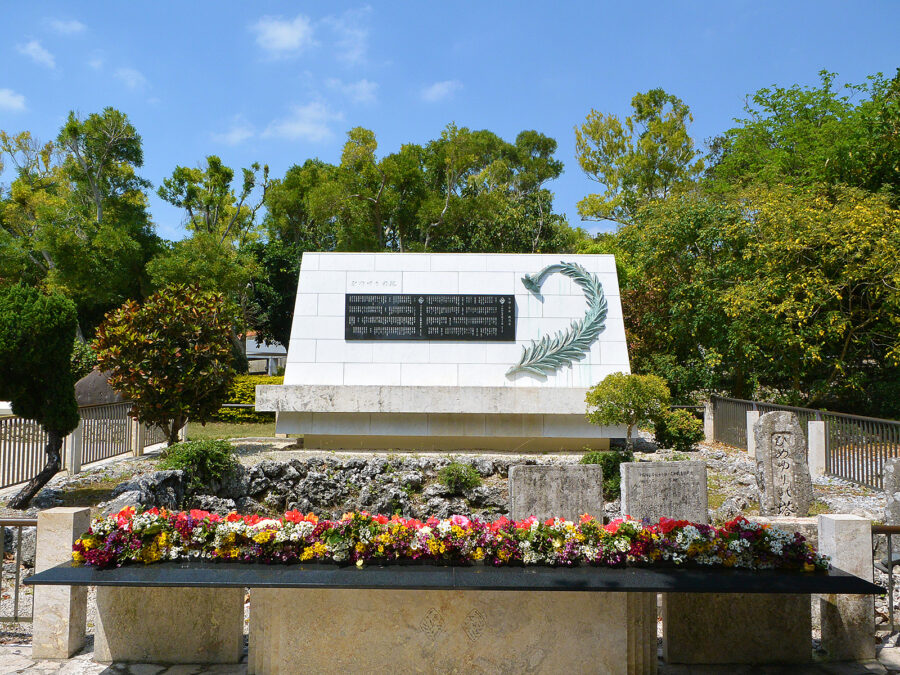
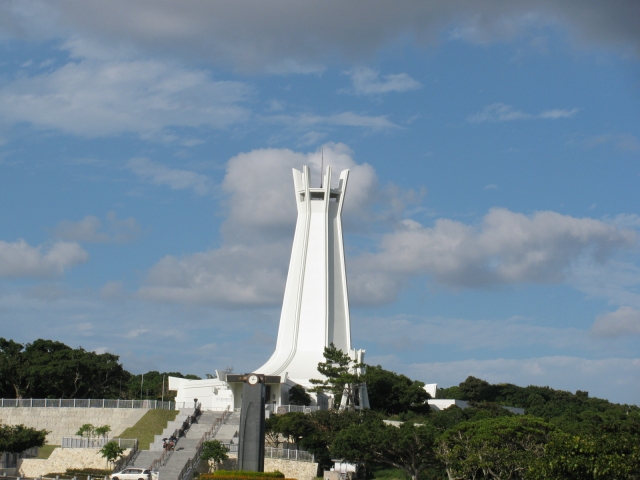
Himeyuri Tower, a major tourist attraction in Okinawa, is more than just a tourist attraction,Deep Sadness and PeaceIt is a place where one can feel the prayers for the
Located in Itoman City, in the southern part of Okinawa's main island, this location was used during the Battle of Okinawa at the end of the Pacific War,nursing personnelIt is one of the places where the female students mobilized as "women's students" met their final days.
In this article, while answering questions such as "what happened," "scary," and "inside the toad," which are frequently used as key words,The Truth about Himeyuri Towerwill be explained in detail.
◆To learn more about the events at Himeyuri Tower
◆Those who want to learn properly about the structure and tragedy of "toads".
◆Those who want to confirm the truth of "scary" and "psychic" rumors and visiting manners.
Click here to see the ranking of popular tours in Okinawa
Himeyuri Tower and Tragic History
In March 1945, 240 members of the "Himeyuri Students" who were mobilized as nursing personnel for the Battle of Okinawa went to the army hospital (Gama) in Nanpuhara.
However, her duties there, such as caring for wounded soldiers and burying bodies, were too much for a teenage girl.Harsh RealityIt was.
Tour popular tourist spots in Okinawa!
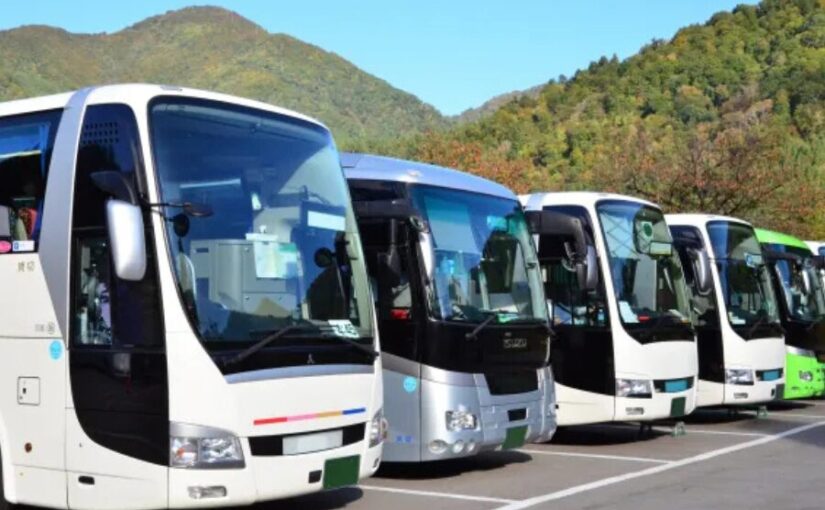
▼Click here for recommended bus tours in Okinawa ▼
What is the Himeyuri Students Corps?
The true faces and roles of mobilized female students
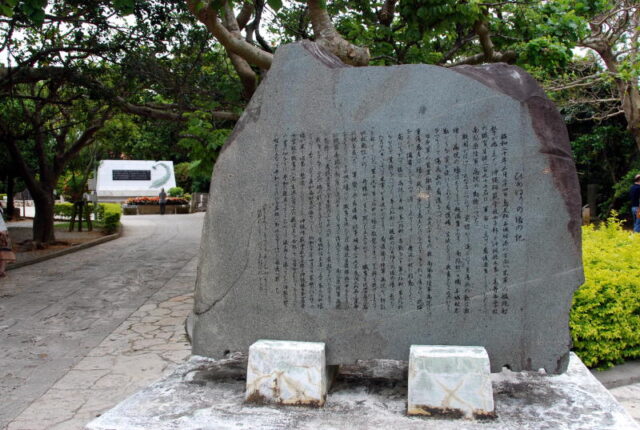
The name "Himeyuri" comes from the name of the alumni magazines of both schools.
They were excellent and elite students who proudly went to the war as nursing assistants, but the reality was that they were facing death.A series of grueling assignmentsIt was.
The fact that these ordinary girls, who spoke of their dreams, were at the mercy of the fate of the state is the essence of this tragedy.
The Reality of the Battle of Okinawa and the Background of the Erection
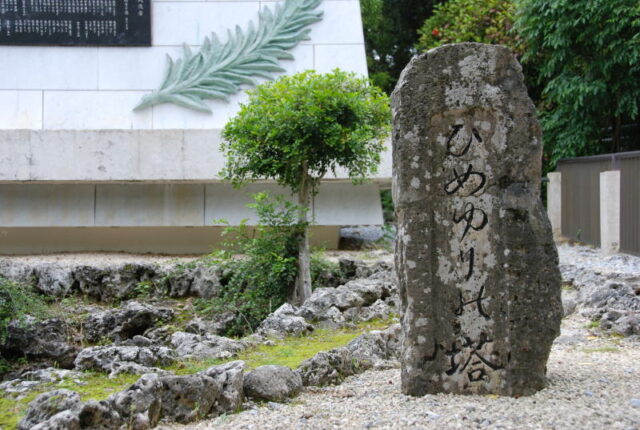
In 1946, after the Battle of Okinawa, which turned into a hell after the landing of the U.S. forces, Himeyuri no To (Himeyuri Tower) was built by the bereaved families of the dead.I want to mourn my daughter."The temple was erected out of the earnest wish that
Today, it has become a symbol of the tragedy of war and the preciousness of peace, and is widely known as a symbol of the pledge never to repeat the tragedy.
Wartime Truths Hidden in the Gama
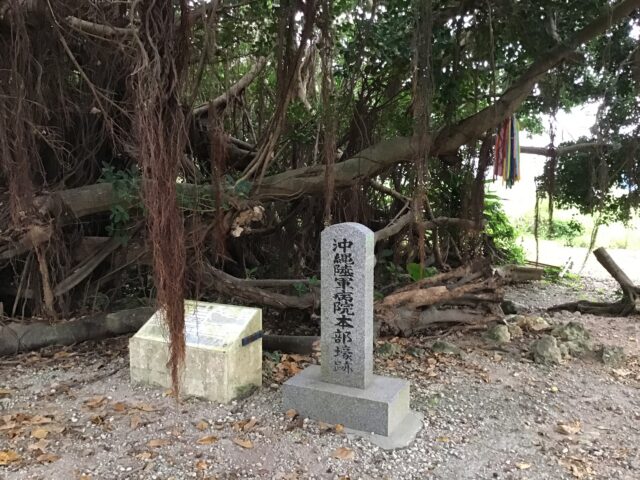
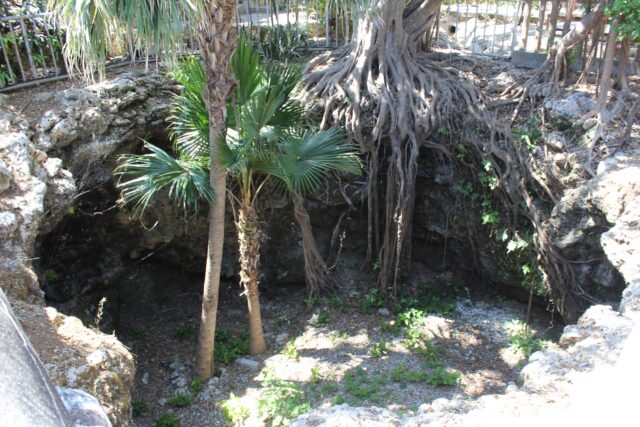
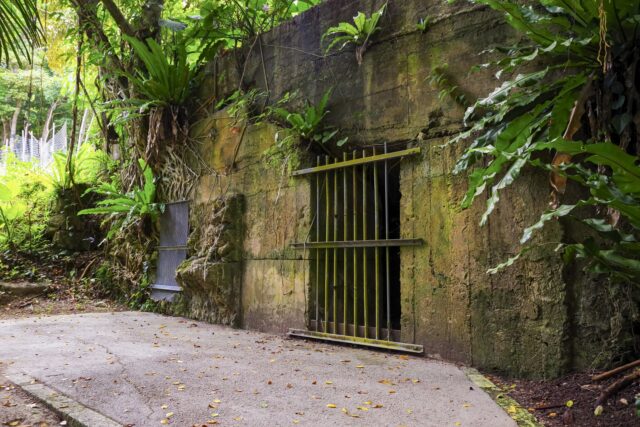
One of the key words that symbolize the Battle of Okinawa is "gama. Gama is an Okinawan word that refers to a naturally formed limestone cave.
This toad is also open in the grounds of Himeyuri Tower,Worshippers can look into its depths.
It is in this gama that the students lived and died until their last moments.
Tour the history and culture of Okinawa!
Click here for recommended tours in Okinawa
![Yanbaru Walking / approx. 1.5hrs] The huge banyan tree in the World Heritage forest is breathtaking! A guided tour of the unexplored subtropical zone☆For those who want to enjoy nature, culture and history♪ (No.238)](https://okinawatour.world-tours.jp/wp-content/uploads/2025/10/IMG_8122-825x510.jpg)
![[Onna Village, Okinawa] USS Emmons Wreck & Kouri Island Fun Diving Tour☆ Enjoy a Mysterious Adventure Through History and Stunning Scenery! 《Free Photography & Transportation》](https://okinawatour.world-tours.jp/wp-content/uploads/2024/12/C9834C6A-DC73-4E41-BBF8-62CD7242C466-825x510.jpg)
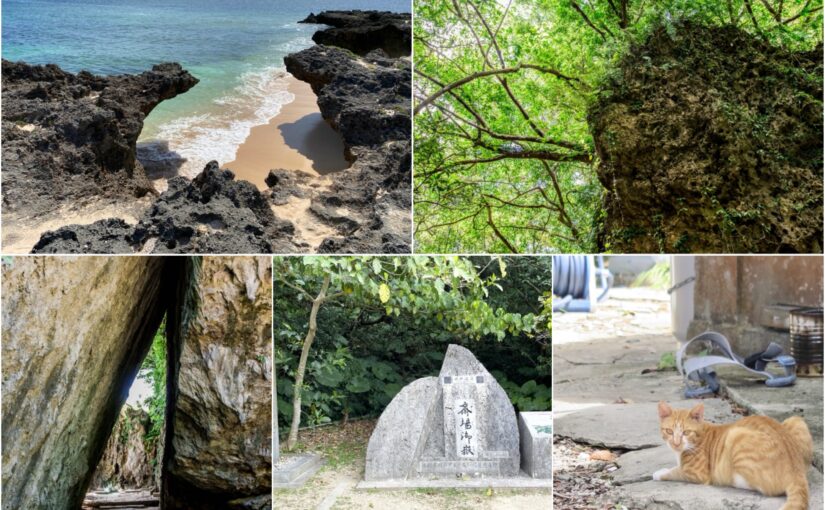
Structure and role of the third surgical bunker
The Ihara No. 3 Surgical Shelter, located directly below Himeyuri Pagoda, is a narrow natural cave where the retreated army hospital was located.
Students and soldiers crammed together in poor conditions without adequate medical equipment.A Place to Wait for Death.The company was transformed into a
Today, the entrance area of the shelter, once accessed by a ladder, can be seen from the ground.
Episodes of medical care and academics in the dark
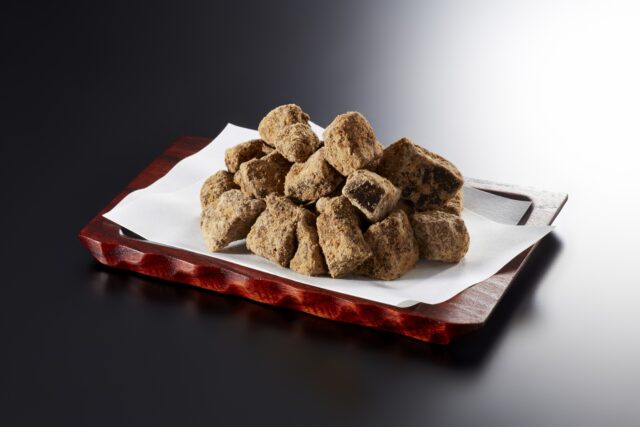
Medical care in the gama was horrendous, and included surgery without anesthesia and the transport of amputated parts.
Under extreme conditions with the stench of death in the air, the students risked their lives to fetch water and share the little brown sugar they had, encouraging each other.
Dedication in this desperate environment is what it is all about,The Core of Himeyuri HistoryIt is.
Why are toads "scary"?
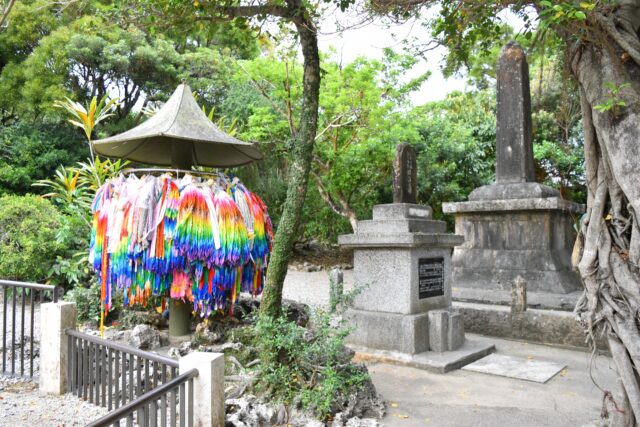
Behind the word "Himeyuri no To (Himeyuri Tower) scary" is more than a ghostly rumor, but a gruesomeFear of "negative historyThere are
At that time, Gama was a hell itself, an unhygienic space filled with stench, where intense U.S. military fire and hand grenades were thrown.
The fact that so many lives were lost underground, with no escape, instills an instinctive fear in people.
Food Shortages and Caring for Wounded Soldiers
Food supplies were cut off due to the deteriorating war situation,The students suffered from hunger.
The schoolchildren were forced to remain at the horrific site as immobile wounded soldiers were left in the gama, forced to commit suicide, and poison was distributed.
This extreme situation, with no escape, is the essential horror of the toadstools.
Dismissal Order and the End of Tragedy
The tragedy of the Himeyuri Students in the Battle of Okinawa reached its peak on June 18, 1945, after the military suddenly issued a "disbanding order.
In the days that followed, 136 people, more than half of the 240 mobilized, lost their lives.
Many of those deaths were in toads.collective suicideand by U.S. military attacks.
▼ Departure from Naha! Click here for recommended activities


You can enjoy the main island of Okinawa!
Click here for recommended tour ranking.
Dismissal Order and the Harsh Fate that Awaits
June 18, under U.S. military siege."Dismissal Order."The "War of the Worlds" was declared and the students were thrown into the battlefield, where a storm of iron was blowing.
These days, when they were unable to escape and were caught in the crossfire of gunfire and artillery fire, became the bloodiest period of sacrifice for the Himeyuri Students' Corps.
Suicide and Jumping Tragedy on the Arasaki Coast
The key word "jump" refers to the tragedy of the schoolchildren who were trapped on the cliffs of the Arasaki Coast with nowhere to run.
Partly due to the influence of their education that "death is better than captivity," these women chose to commit suicide or surrender rather than surrender.
The last moments, including in the bunker, which was attacked by gas bombs.Hopelessness and FearThe reality was so pitiless, filled with
Access to Himeyuri Pagoda, Okinawa
It takes about 25 minutes by car from Naha Airport, or if using public transportation, take a bus from Naha Bus Terminal and get off at "Himeyuri no To Mae".
Free ParkingThe area is well equipped with a number of restaurants and cafes, and can be easily incorporated into a driving tour of the southern part of the main island of Okinawa.
The area is also dotted with war sites such as the Peace Memorial Park, so be sure to check the route andefficientlyIt is recommended to go around.
◆Access: 25 minutes by car from Naha Airport
◆Opening hours: None *Visiting the Peace Memorial Museum is possible even when the museum is closed.
◆Holidays: None
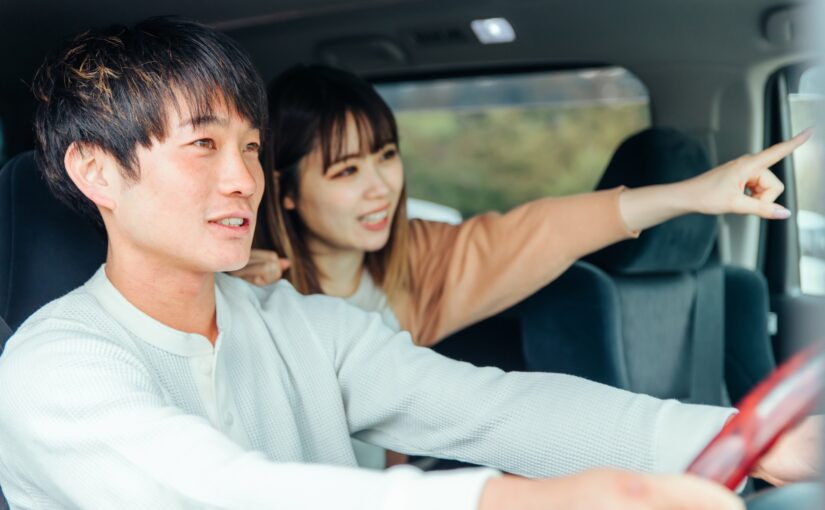
↓Click here for recommended car rental plans.


![[Onna Village, Okinawa] Exclusive Private Tour for One Group Only! Snorkeling at the Mystical “Blue Cave” (Includes a Free Underwater Photo and a Fish Feeding Experience)](https://okinawatour.world-tours.jp/wp-content/uploads/2000/06/c2042ef2aae2dff9e2d60134885f5a6b-825x510.jpg)
Book a rental car in Okinawa here.
Learn about "Himeyuri no Toa" at the museum
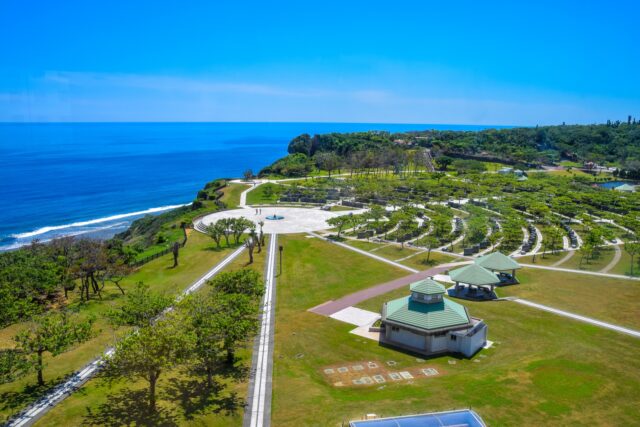
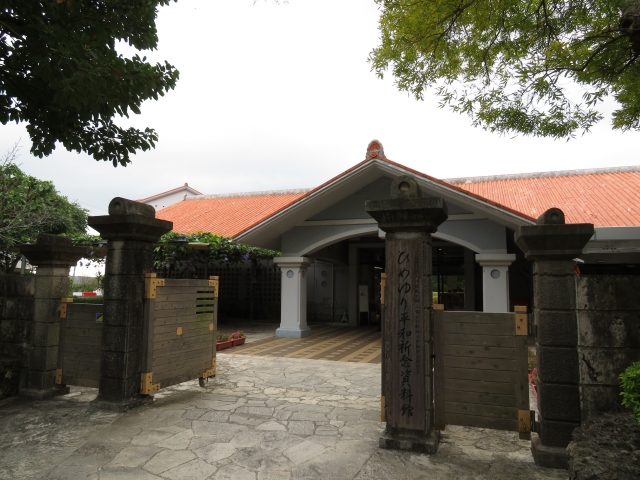
When visiting Himeyuri Pagoda, we recommend that you not only visit the cenotaph, but also the adjacent Himeyuri Peace Memorial Museum!
This is not just an exhibition hall of war sites, but a place where each and every one of the deceasedA place where one can come into contact with "proof of life.It is.
You absolutely can't miss this!
▼Click here for popular tours on Okinawa's main island▼
Himeyuri Peace Memorial Museum Basic Information
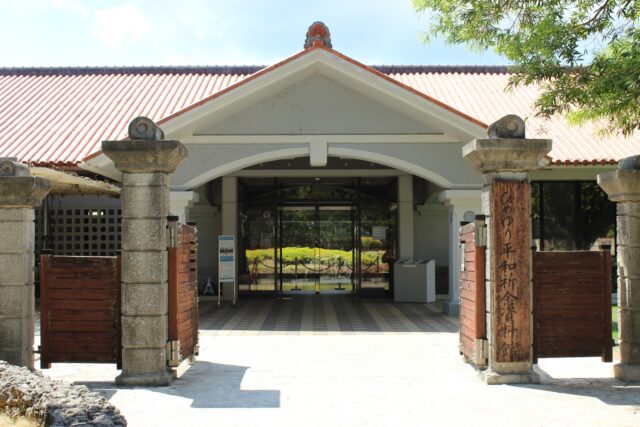
The archives will be renovated in 2021 to make it more intuitive and more "personal affairsIt is designed to give a sense of history as a
◆Opening hours: 9:00 - 17:25 *.Admission closes at 17:00
◆Holidays: None
How to visit the Cenotaph and Ihara 3rd Surgery Shelter

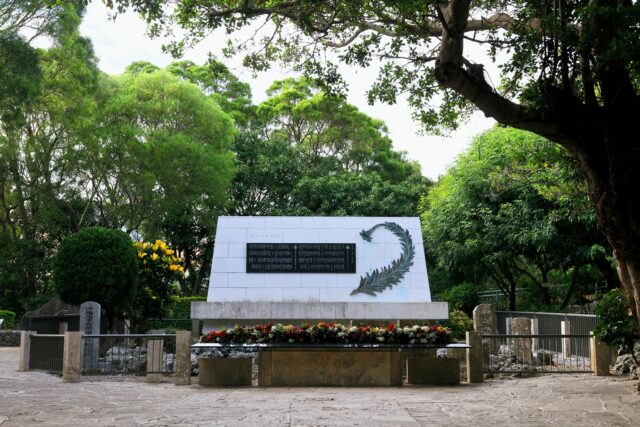
On the grounds, a large cenotaph and at the foot of theIhara 3rd Surgical Shelterdepths of the "Mere Old Man" in your eyes and imagine the harsh environment of those days.
By visiting the names inscribed on the back of the cenotaphs and the "ossuary" where unidentified remains lie, visitors can confront the cruel reality of the Battle of Okinawa, where many lives were lost from a single family.
◆About the "Order of Dismissal" of June 19, 1945 and the last
Tour with Himeyuri Peace Memorial Museum
The truth of rumors and manner of consolation

On the Internet, keywords such as "Himeyuri no To (Himeyuri Tower) Ghost" and "Gama Ghost" can be found in many places.
However, there are more important things to consider when visiting a place than such a curious point of view.
Here's why the rumors are so common, and when to visit this place.Manners to be observedThis section describes the following
Misconceptions about "haunted places" and their original purpose
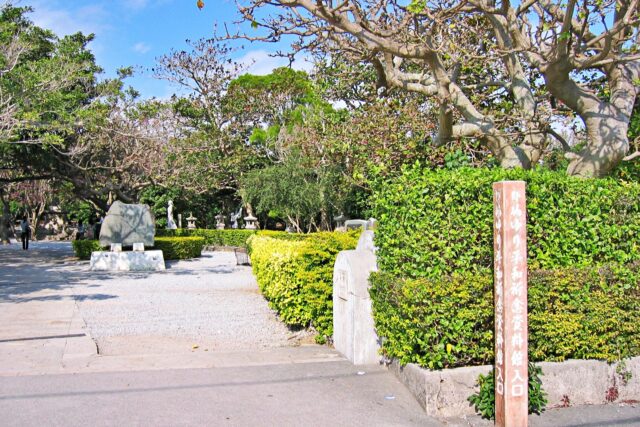
The reason why the Himeyuri Tower seems "scary" is because the "burden of grief" that the place holds is very strong.
Himeyuri Tower is not a place to enjoy fear, but to face history and pray for peace.sanctuaryIt is.
If you're feeling anxious, don't make it a "scary place".A Place to Learn and Pray."The best way to overcome fear is to switch your mindset as
Proper Attire and Preparation for Worship
Himeyuri Pagoda is a sacred memorial site. Please dress modestly, avoid shouting and taking selfies, etc., as you would when visiting a grave.moderate attitudeLet's worship at the
The feeling of "fear" will be transformed into a sincere prayer for peace when you learn about the lives of these women at the museum.
↓For a detailed article on clothing, click here↓.
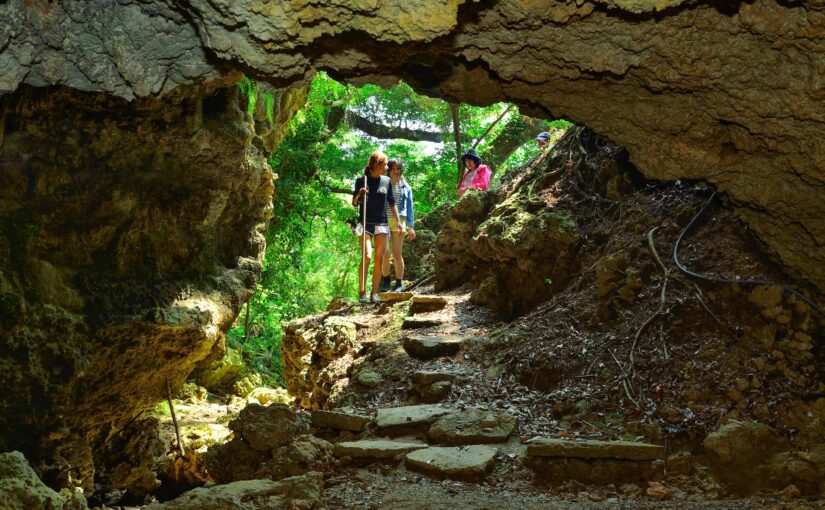
On visiting Himeyuri no To (Himeyuri Pagoda)
Frequently Asked Questions (FAQ)
summary
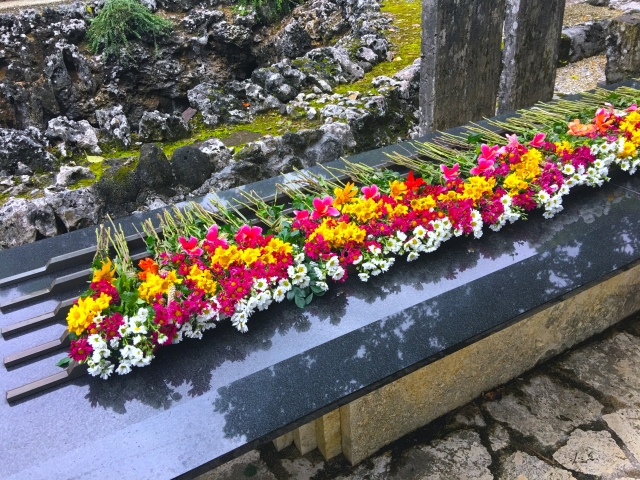
Himeyuri Pagoda is one of the most important sites that still commemorate the tragedy of the Battle of Okinawa.
Behind the words "scary," "jumped," and "inside a toad" that lined the keywords, there were indeed harsh historical facts that left us speechless.
Visit the site with the history learned in this article,The preciousness of peace and the lessons we must pass onPlease use this as an opportunity to think about
↓Click here to read the article.


















































![[February–November Only] Open to ages 4 and up! Sound Parasailing Course: Soar While Listening to Music (Includes Photo Service) (No. 116)](https://okinawatour.world-tours.jp/wp-content/uploads/2022/05/skywalker116-3-e1662853930938-825x510.jpg)
